
The Story
Imagine standing in the heart of the world's largest integrated chemical complex.The air at ChemCorp's site, a sprawling city of pipes, reactors, and towers covering ten square kilometres, hums with contained power. It's a landscape both mesmerising and intimidating, a testament to a century of chemical innovation. For decades, the frontline workers navigating this labyrinthine environment—a city within a city, with its own roads, railways, and emergency services—faced a fundamental disconnect. In the ATEX-certified hazardous zones—areas where a single spark from a standard electronic device could trigger a catastrophe—they were cut off from the digital nervous system of the plant. Their primary tools were paper blueprints, laminated manuals, and two-way radios. A maintenance technician needing to verify a valve's pressure tolerance would have to leave the operational area, walk back to a central control room, look up the data, and then return, a time-consuming and inefficient process that introduced the potential for human error. This wasn't just an inconvenience; it was a systemic risk embedded in their daily workflow. Each trip was a gamble, a small tear in the fabric of operational integrity.
The human cost of this analogue workflow was a constant, low-level strain. Every trip back and forth was a small inefficiency, but multiplied across thousands of tasks and hundreds of workers, it amounted to a significant drain on productivity. More importantly, it created an information gap at the most critical moments. A decision made based on a slightly outdated manual or a misremembered specification could have serious safety implications. The trigger for change was a perfect storm: the increasing complexity of their chemical processes demanded better data access, the workforce was becoming more digitally native, and crucially, the technology of “intrinsically safe” mobile devices had finally matured into a robust, reliable solution capable of withstanding the rigours of an industrial environment. The need was no longer a theoretical “nice-to-have”; it was a critical business imperative. The whispers in the boardroom and the frustrations on the plant floor had finally converged.
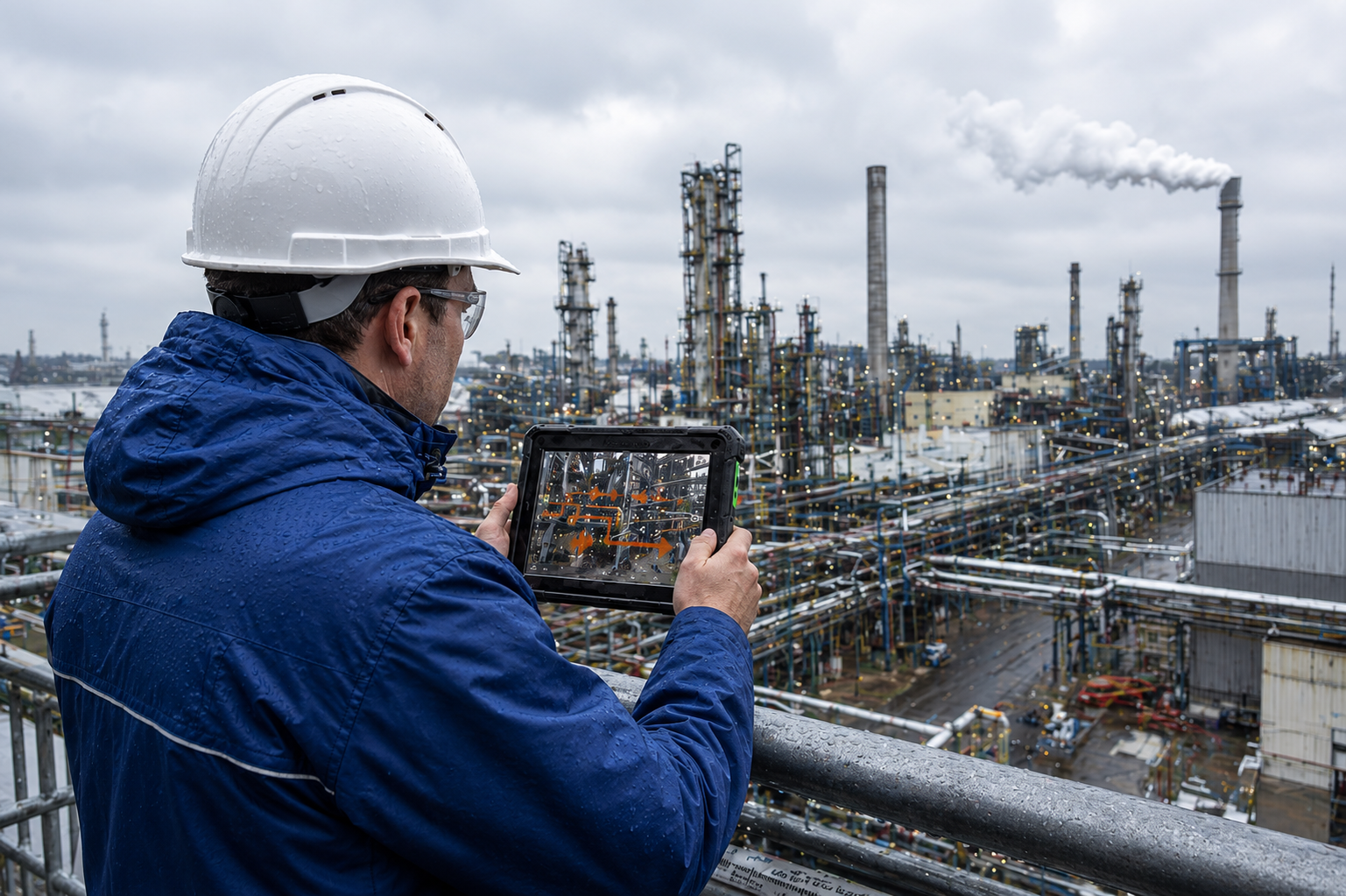
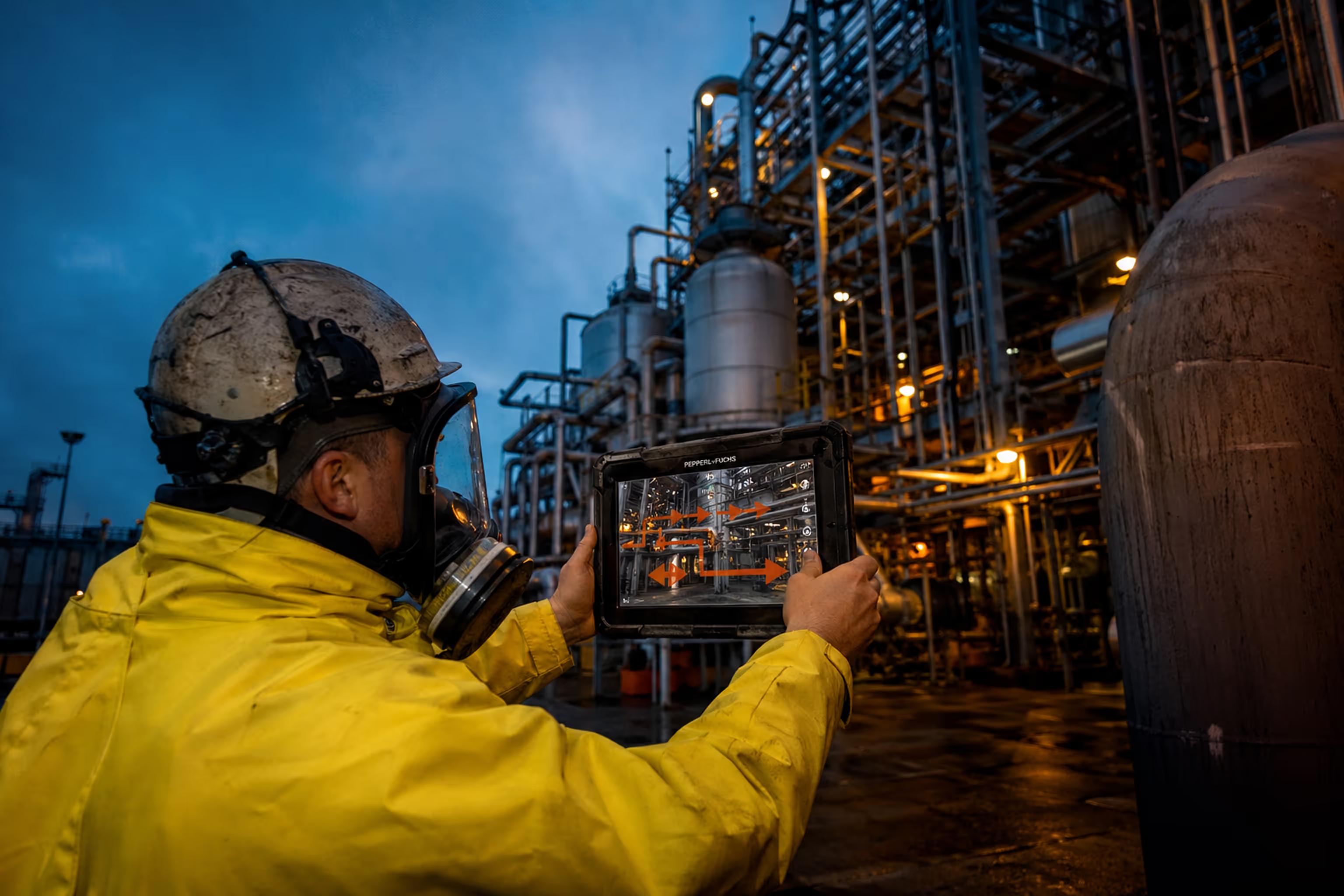
ChemCorp's bold solution was to deploy a new breed of digital tool: the Pepperl+Fuchs Tab-Ex series, a line of intrinsically safe Android tablets. These rugged, explosion-proof devices are specifically engineered to be incapable of generating a spark, making them certified for use in the most hazardous zones. Equipped with a powerful augmented reality software platform, these tablets became a secure window into the plant's digital soul. Now, instead of leaving the hazardous area, an operator can point their tablet at a piece of equipment and see a wealth of information overlaid on the live camera view—real-time operating pressures, maintenance histories, and step-by-step repair guides.
The once-isolated worker was now a connected, empowered node in a vast digital network. The tablet wasn't just a device; it was a lifeline to the collective knowledge of the entire facility.
How It Works
The AR applications on the tablets provide a dynamic, contextual interface, creating a seamless link between the physical and digital worlds. This “digital twin” of the plant, once confined to the control room, is now accessible to workers on the ground. The system's architecture is built on a foundation of secure connectivity and deep integration. A robust, ATEX-certified Wi-Fi network blankets the operational zones, ensuring reliable data flow to the tablets. This network acts as a secure bridge, allowing the tablets to communicate in real time with ChemCorp's core operational systems, including the central Distributed Control System (DCS) and their SAP Plant Maintenance (PM) module. When a technician scans a QR code on a pump, the tablet instantly pulls the corresponding work order from SAP and retrieves live performance data from the DCS. This is not just about viewing data; it's about interacting with it. The technician can see not just the current pressure, but a graph of the pressure over the last 24 hours, overlaid on the physical gauge. This immediate contextualisation of data is what transforms information into insight.
The data flow is bidirectional. A technician can follow an AR-guided procedure for a repair, and as they complete each step, they can mark it as done on the tablet. Once the job is finished, they can close out the work order, add notes, and even attach annotated photos of the completed repair directly into the SAP system before even leaving the site. This eliminates paperwork and ensures that maintenance records are accurate and instantaneous. The system integrates deeply with CAD and BIM models, allowing technicians to visualise equipment in 3D, peel back layers to see internal components, and understand complex spatial relationships without ever turning a wrench. Imagine a complex valve assembly. Instead of trying to decipher a 2D schematic, the technician can now see a 3D model of the valve, exploded into its component parts, with each part labelled and cross-referenced to the inventory system. This level of detail dramatically reduces the cognitive load on the technician, allowing them to focus on the task at hand.
Bringing this vision to life required more than just technology; it demanded a focus on people. The change management process was critical. ChemCorp initiated a comprehensive training programme that involved classroom sessions to familiarise technicians with the tablet hardware and AR software, followed by hands-on practice in a safe, non-hazardous “dummy” area. Crucially, veteran technicians were involved in the user interface (UI) and workflow design process. Their feedback was instrumental in creating an application that was intuitive and genuinely useful, which helped turn potential sceptics into advocates. This collaborative approach ensured that the solution was not seen as a top-down mandate, but as a powerful new tool co-created with the end-users themselves. The project's success was as much a testament to this human-centred design philosophy as it was to the technology itself.
Departmental Impact
The deployment of this tablet-based AR solution has had a profound, cascading impact across multiple departments at the ChemCorp site, creating a ripple effect of efficiency and safety that has touched nearly every aspect of plant operations:
Plant Operations
For plant operators, the primary benefit has been a dramatic improvement in situational awareness. With the ability to safely access real-time plant control data and digital schematics while physically standing in hazardous zones, operators can make faster, more informed decisions. An anomaly detected on a piece of equipment can be instantly cross-referenced with historical data and operational parameters, allowing for a more rapid and accurate response. This has led to smoother plant operations, reduced downtime, and an overall increase in operational efficiency. The ability to see live trend data on a tablet, right next to the physical asset, has empowered operators to spot subtle deviations from the norm that might have otherwise gone unnoticed until they escalated into larger problems.
Maintenance & Safety
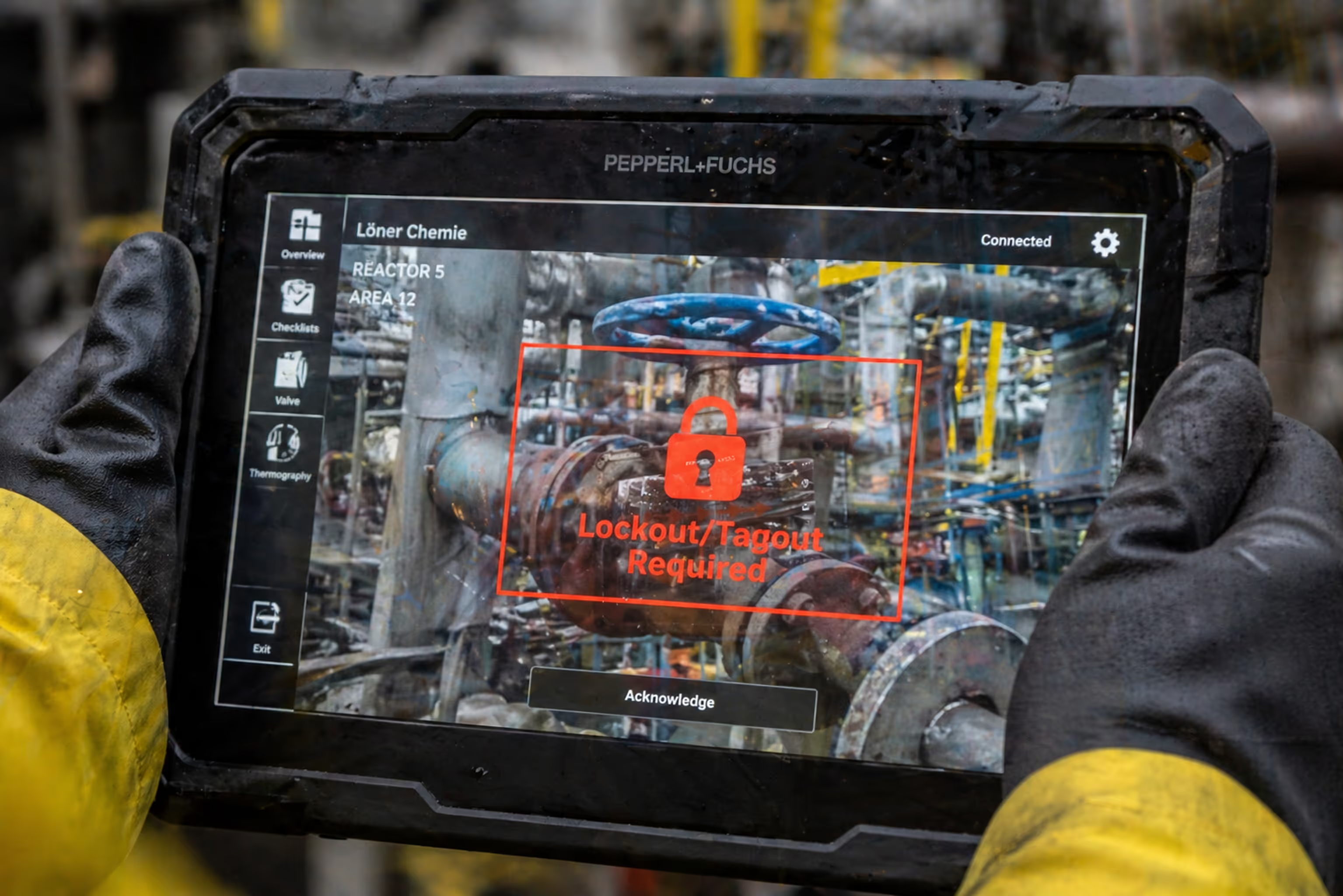
The impact on maintenance and safety has been equally transformative. Technicians can now execute complex maintenance procedures with greater speed and precision. The AR overlays provide clear, unambiguous guidance, guiding them through intricate lockout/tagout procedures and equipment servicing tasks. This not only accelerates the maintenance process but also significantly enhances safety by reducing the potential for human error. The ability to have the correct procedure, for the correct asset, at the correct time, is a paradigm shift for industrial maintenance. Furthermore, the ability to document completed work with annotated photos provides an unprecedented level of quality control and accountability.
IT Department
The role of the IT department was pivotal and complex. They were tasked with designing, deploying, and managing the high-availability, ATEX-certified Wi-Fi network across a physically challenging environment filled with steel structures that obstruct radio signals. This required meticulous planning and site surveys to ensure seamless connectivity. Furthermore, they managed the fleet of tablets using a Mobile Device Management (MDM) platform, allowing them to remotely push critical software updates and security patches, ensuring every device in the field remained compliant and secure without the need for manual recalls. This centralised management capability is crucial for maintaining the security and integrity of the entire system.
Engineering & Procurement
The engineering department now has a direct feedback loop from the field. When a piece of equipment repeatedly fails, technicians can document the issue with annotated photos and detailed notes, providing engineers with the rich, contextual data needed to diagnose design flaws or specify better replacement parts. This data-driven approach to asset management improves the reliability of the entire plant. For procurement, this data stream allows for more strategic sourcing, identifying which components or suppliers have the best real-world performance, leading to smarter purchasing decisions and lower total cost of ownership. This has also enabled a shift from a purely reactive to a more predictive maintenance strategy.
Environmental, Health & Safety (EHS)
The EHS department became a primary beneficiary of this new digital tool. The tablets transformed safety audits and incident reporting. An EHS officer can now conduct a walkthrough, identify a potential hazard, use the tablet to take a time-stamped and geo-tagged photo, annotate it with specific details, and instantly create a corrective action request in the central safety management system. This digital workflow replaced a cumbersome paper-and-camera process, drastically reducing the time between hazard identification and remediation and creating a rich, searchable database for safety trend analysis. This has not only improved safety but also enhanced the company's ability to demonstrate compliance to regulatory bodies.
Training & Development
The AR solution has become a powerful new tool for training and onboarding new technicians. Instead of relying solely on classroom instruction and shadowing experienced colleagues, new hires can now use the tablets to perform guided, hands-on training exercises in a controlled environment. The AR overlays provide a virtual mentor, guiding them through procedures step-by-step. This has accelerated the learning curve, improved knowledge retention, and ensured that all technicians are trained to a consistent, high standard. It has also helped to capture and digitise the knowledge of experienced technicians, creating a valuable repository of institutional knowledge that can be passed on to the next generation of workers.
Quantified Business Impact
The implementation of explosion-proof tablet AR at BASF is more than just a technological novelty; it has delivered tangible, quantifiable business results that resonate from the plant floor to the balance sheet:
Enhanced Operational Safety and Compliance
This is the most critical impact. By providing a certified-safe digital tool for hazardous zones, ,ChemCorp has reinforced its commitment to safety while simultaneously improving operational workflows. The system ensures that all activities are performed in strict compliance with ATEX regulations and internal safety protocols, providing a clear and auditable digital trail that significantly reduces compliance risk. In the first year of deployment, ChemCorp reported a 40% reduction in safety-related incidents in the pilot areas. The digital audit trail has also reduced the time required for compliance reporting by an estimated 75%, freeing up valuable resources in the EHS department.
Accelerated Maintenance Procedures
The immediate, on-site access to contextual data and AR guidance has directly led to faster maintenance cycles. The company measured a reduction in “time-to-information”—the time taken to access critical data like manuals or work orders—by over 90%, from an average of 15 minutes down to less than a minute. This directly translates into significant gains in technician productivity and asset uptime, with initial pilot areas reporting a 15–20% increase in maintenance team efficiency. This efficiency gain has allowed BASF to reallocate maintenance resources to more proactive, preventative maintenance tasks, further improving plant reliability.
Improved First-Time-Right Rate
With AR-guided procedures and instant access to correct specifications, the rate of maintenance-related errors has decreased. ChemCorp is tracking a projected 25% reduction in rework during the first year of full deployment. This not only saves time and cost but also enhances the reliability and safety of the equipment being serviced. The investment is expected to pay for itself within 18–24 months through a combination of increased uptime, improved technician productivity, and reduced rework costs. This rapid ROI has been a key factor in the decision to expand the programme across the entire Ludwigshafen site.
Successful Digitisation of a Massive Complex
The successful deployment across a 200-plant chemical complex is a powerful proof of concept. It demonstrates that digital transformation is not just for discrete manufacturing or clean environments. With the right specialised hardware and software, even the most challenging industrial landscapes can be digitised. This success has also positively impacted employee retention, particularly among younger technicians, who expect modern, digital tools in their workplace. Providing them with cutting-edge technology makes ChemCorp a more attractive employer in a competitive labour market, reducing recruitment costs and improving knowledge transfer. The company has seen a 10% increase in the retention rate of technicians in the departments where the tablets have been deployed.
Conclusion
The ChemCorp case study marks a pivotal moment in the evolution of industrial augmented reality. It decisively proves that AR's value extends far beyond the clean, predictable environment of an automotive assembly line. By leveraging specialised, intrinsically safe hardware,ChemCorp has successfully pushed the boundaries of digital transformation into the highly regulated, high-risk world of chemical manufacturing. This is not a futuristic vision; it is a practical, proven solution that is delivering real-world benefits today. The project serves as a powerful beacon for other companies in the process industries, illuminating a path toward a safer, more efficient, and more connected future.
The key takeaway is that the limitations we once associated with industrial AR are being overcome.
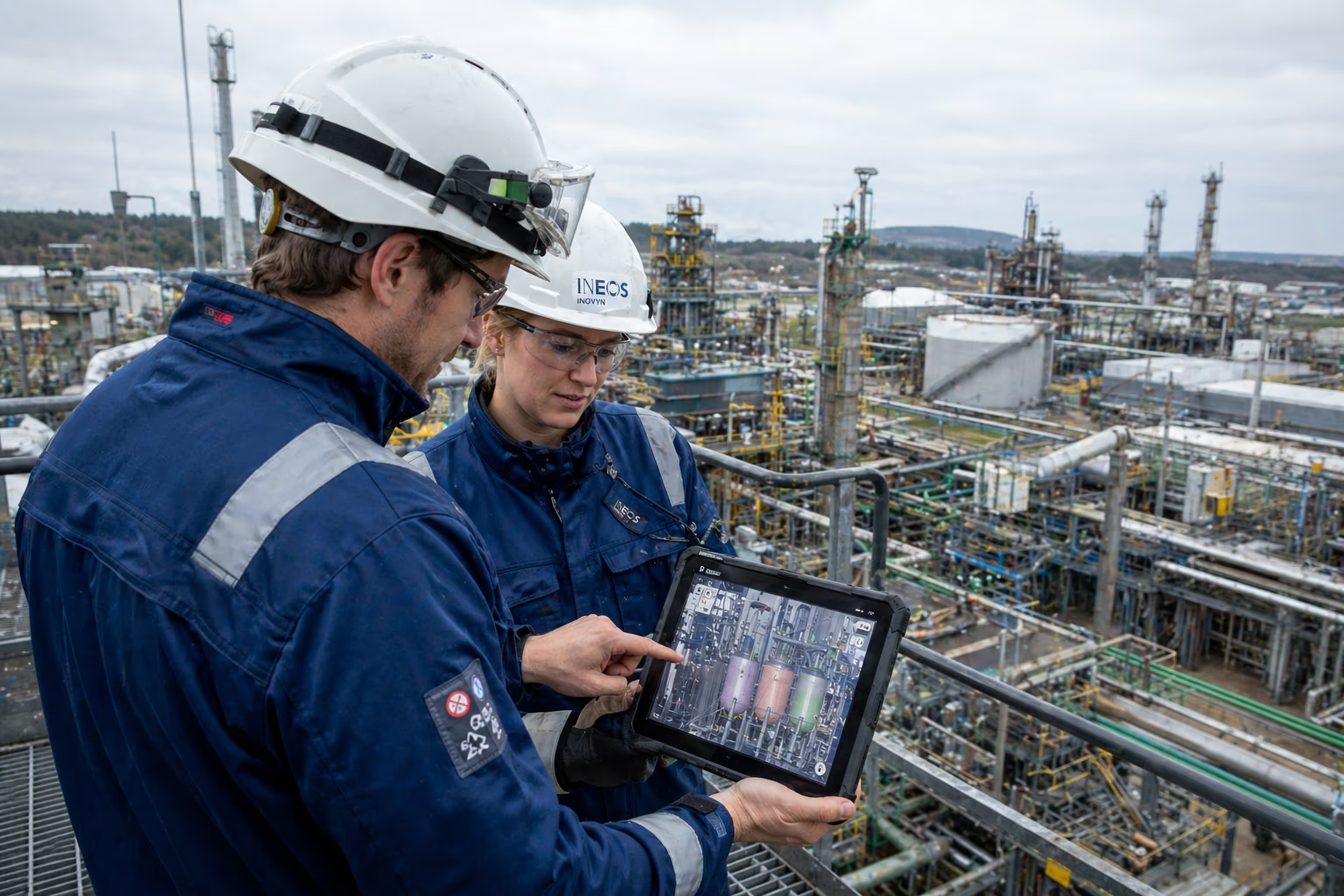
The narrative is no longer confined to smart glasses or headsets, which are often impractical or unsafe in many industrial contexts. Instead, the humble but powerful tablet, when properly ruggedised and certified, has emerged as the workhorse of industrial AR.
It provides a large, clear interface, robust processing power, and, most importantly, a pathway to safe operation in environments where safety is non-negotiable. This shift in perspective, from a head-worn to a hand-held paradigm, has been instrumental in unlocking the true potential of AR in the industrial space.
For other companies in the chemical, oil & gas, pharmaceutical, and other process industries that operate hazardous environments, the message is clear: the barriers to digital transformation on the shop floor are falling. The technology to empower your frontline workers with real-time data and interactive guidance is mature, reliable, and ready for deployment. The journey may seem daunting, but as ChemCorp has demonstrated, a phased, human-centred approach, focused on solving real-world problems, can lead to a profound and lasting transformation. The question is no longer if industrial AR will become a mainstream technology, but when. And for the companies that act now, the competitive advantages will be significant and enduring.
Frequently Asked Questions
Quick answers to the questions we hear most often from teams exploring intrinsically safe tablet AR.
Q1We are in the pharmaceutical / oil & gas industry, not chemicals. Can a similar AR solution work for our hazardous environments?
Absolutely. The core technology of intrinsically safe, ATEX-certified tablets is designed for any environment where flammable gases, dust, or vapours create an explosion risk. This solution is directly applicable to industries like oil & gas, pharmaceuticals, mining, and even food processing. The key is not the specific industry, but the hazardous area classification. If you operate ATEX/IECEx certified zones, this type of tablet-based AR solution is designed precisely for your needs to enhance operator safety and efficiency.
Q2How long does it take to deploy a solution like this, and what kind of budget should we consider?
Deployment timelines vary based on scope. A focused pilot project in a single plant area can often be up and running in 6–8 weeks. A full-scale, multi-site rollout is a more strategic project planned over 6–12 months. As for budget, the investment includes three main components: the specialised explosion-proof hardware (like the Pepperl+Fuchs Tab-Ex), the AR software platform licensing, and the professional services for integration, training, and workflow adaptation. It's best to think of it not as a cost, but as a strategic investment in operational safety, compliance, and efficiency.
Q3What is the typical ROI, and how soon can we expect to see measurable results?
The Return on Investment is multi-faceted. The most immediate return is the significant enhancement of operational safety and regulatory compliance, which is invaluable. Measurable results in efficiency typically appear within the first 3–6 months. These include accelerated maintenance cycles, reduced equipment downtime, and increased technician productivity, as travel time to and from control rooms is eliminated. Over a year, these efficiencies compound into significant operational cost savings and improved asset uptime.
Q4We're interested. How do we get started and what are the next steps?
The first step is a complimentary consultation to understand your specific operational challenges, hazardous environment classifications, and business goals. From there, we can outline a potential pilot project and a strategic roadmap for your digital transformation. To begin the conversation, please contact our regional specialists:
For India: Rrahul Sethi at rrahul@metaverse911.in
For Global inquiries: Vandana Bansal at vandana@metaverse911.co.uk