Environment 01
Residential Parking
Domestic charging context

How Metaverse911 brought a complex underbody suppression system to life — for buyers, sales teams, and trainees alike.
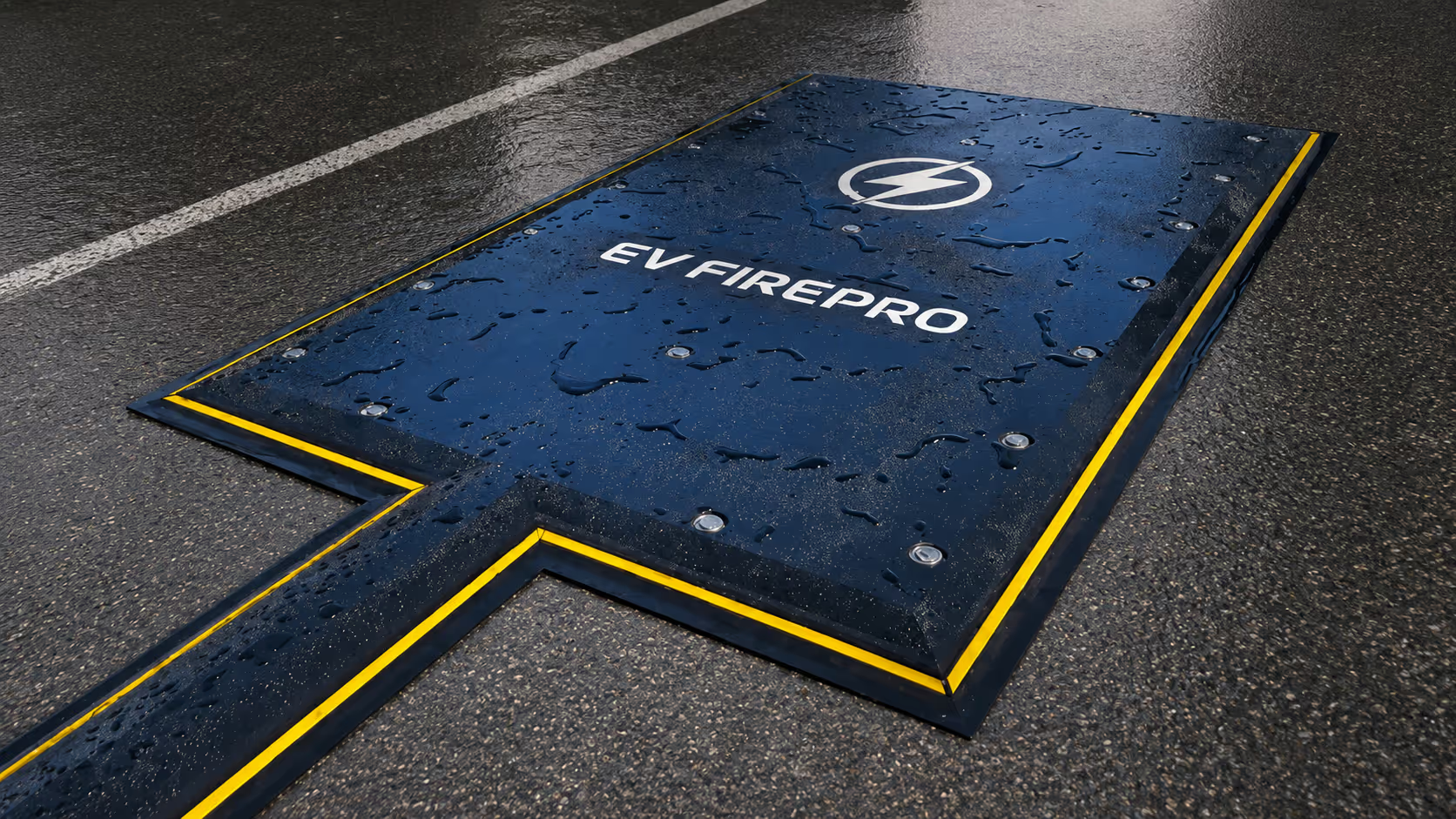
Our client is a specialist manufacturer of automatic EV fire-suppression systems — purpose-built to detect and contain lithium-ion battery fires in parked electric vehicles before they escalate. Their core product installs beneath the parking bay and activates in seconds when fire signatures are detected, deploying targeted underbody and lateral water-spray to contain the blaze and protect surrounding infrastructure.
The technology matters more every year. EV adoption is climbing globally, and so is the data behind battery-fire risk — roughly 25 EV fires per 100,000 vehicles sold, with each incident capable of compromising an entire parking structure if left unchecked.
A product like this is genuinely difficult to show. You cannot wheel a fire-suppression rig into a sales meeting. You cannot safely demonstrate a battery fire on an exhibition floor. Photographs flatten the engineering. Linear video helps, but it cannot let a buyer pick the parking context most relevant to them — residential, retail, or commercial — and walk through the mechanism on their own terms.
The client needed an interactive 3D product demo that could:
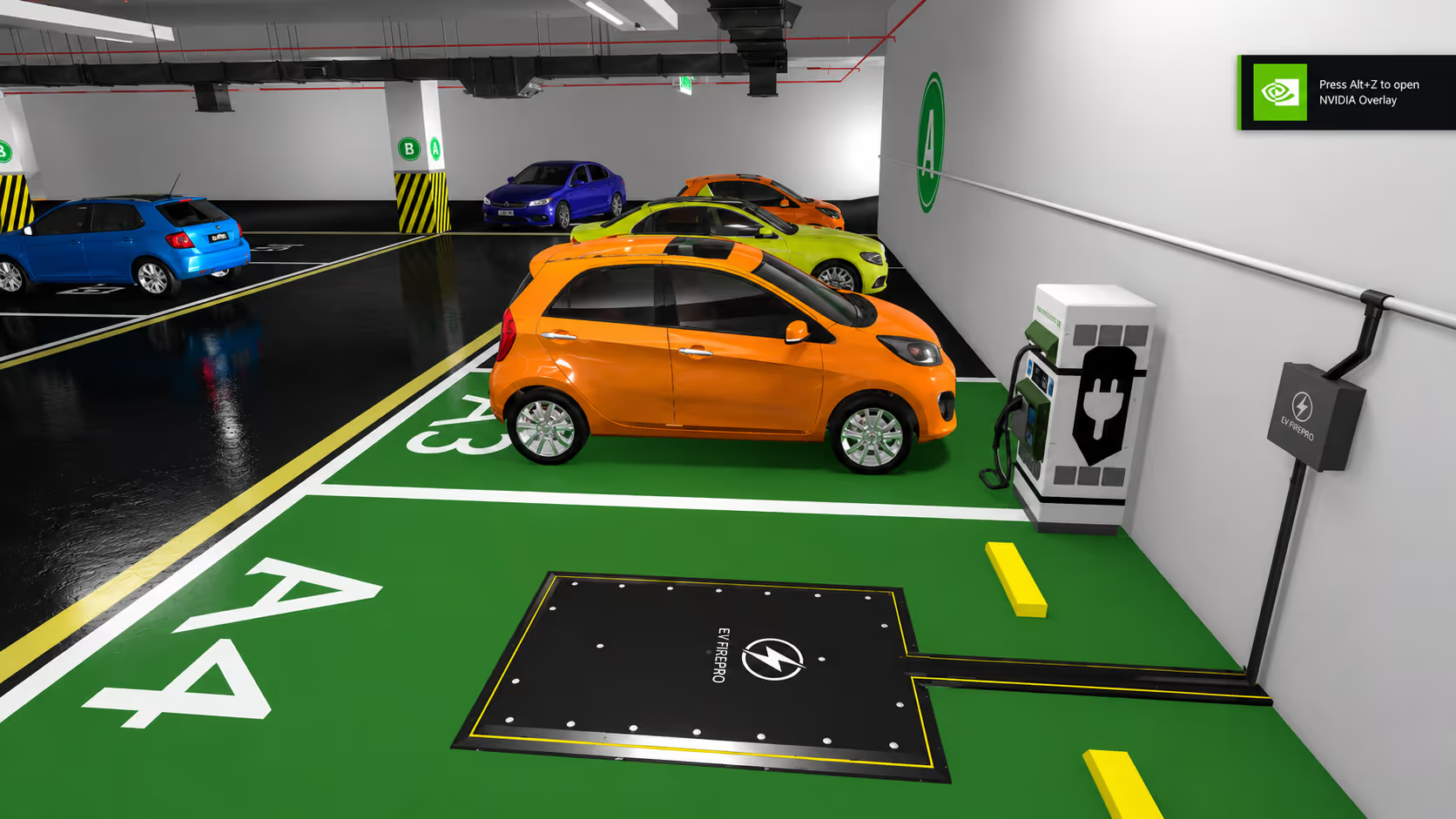
We designed and built a fully simulated interactive 3D product demo that recreates the suppression system's working mechanism through photo-realistic 3D product visualisation — and lets users select the parking context they want to see it in.
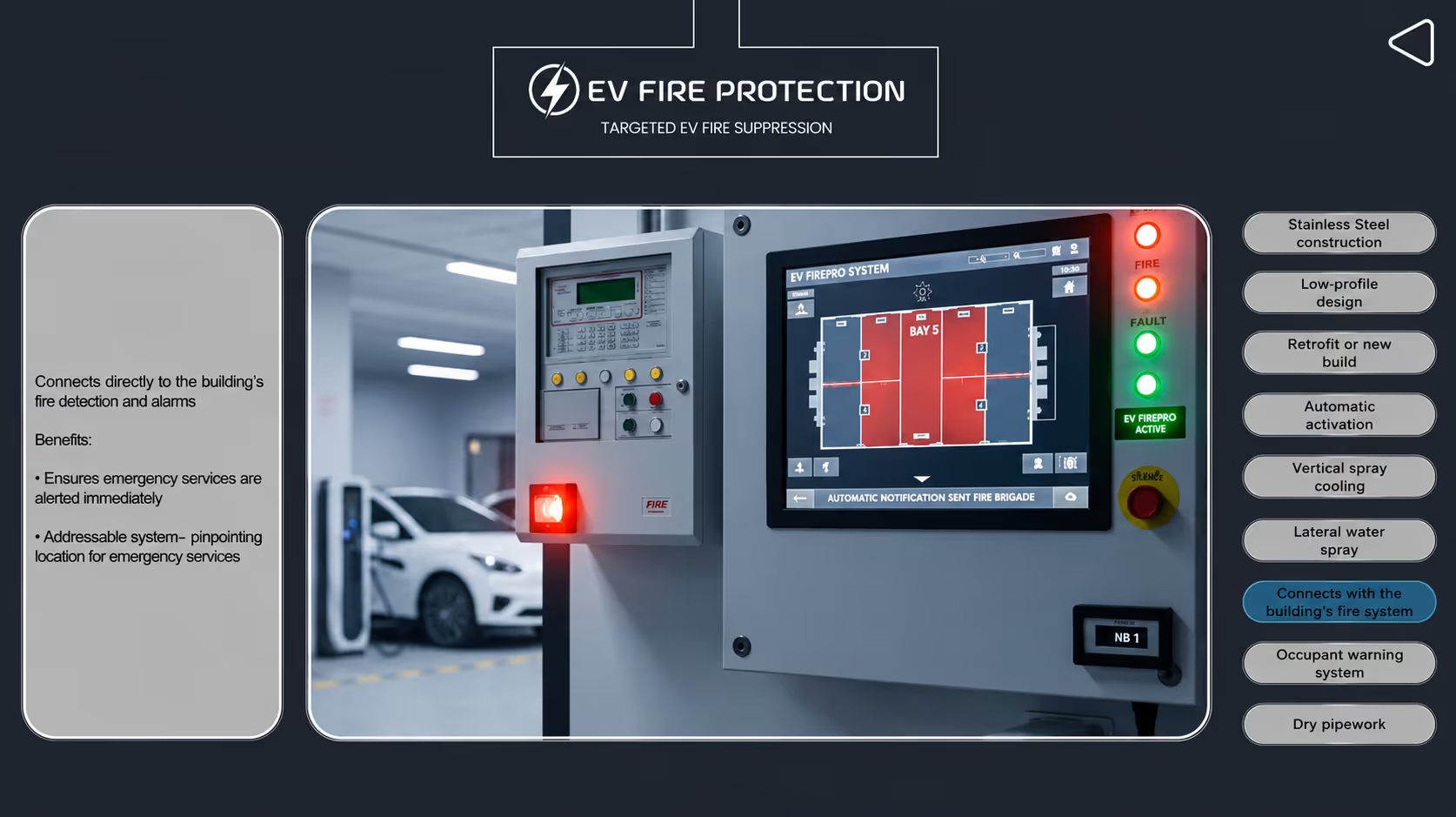
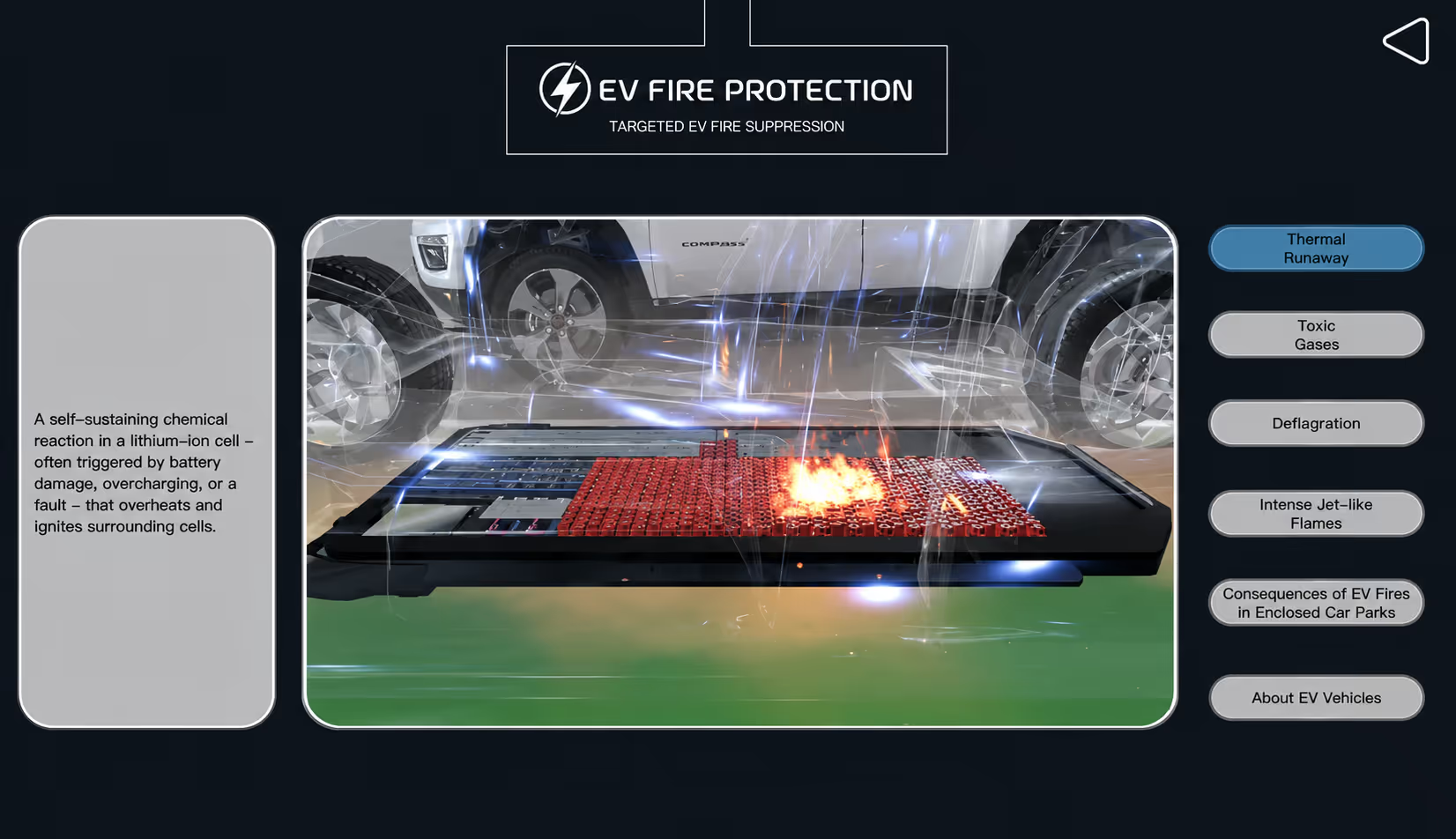
From the opening cinematic to the X-ray walkthrough — every step is interactive, narrated, and built to be repeated across each of the three environments.
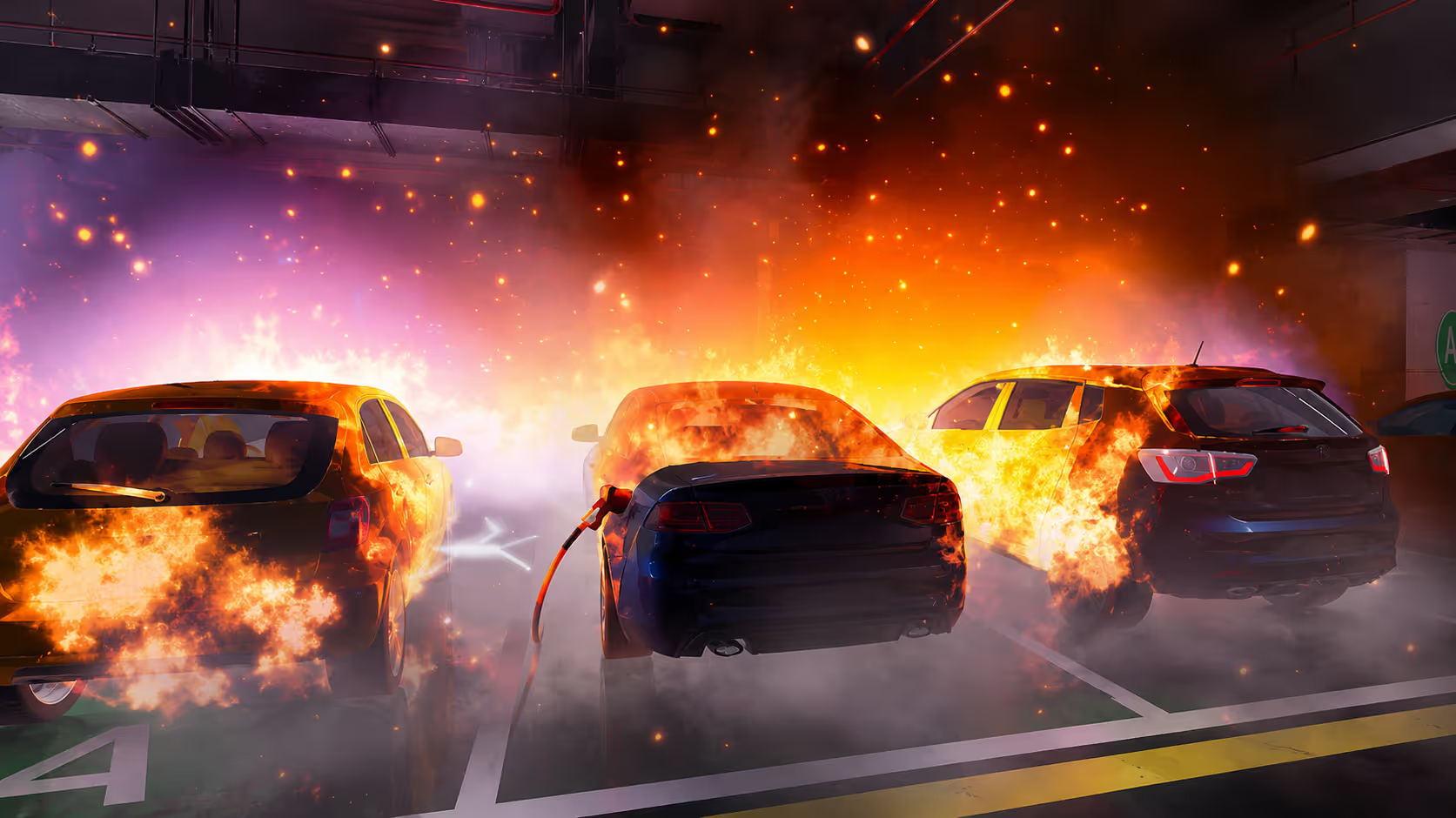
A short cinematic introduces the user to the scale of EV fire incidents — anchoring everything that follows in a real, growing risk profile.
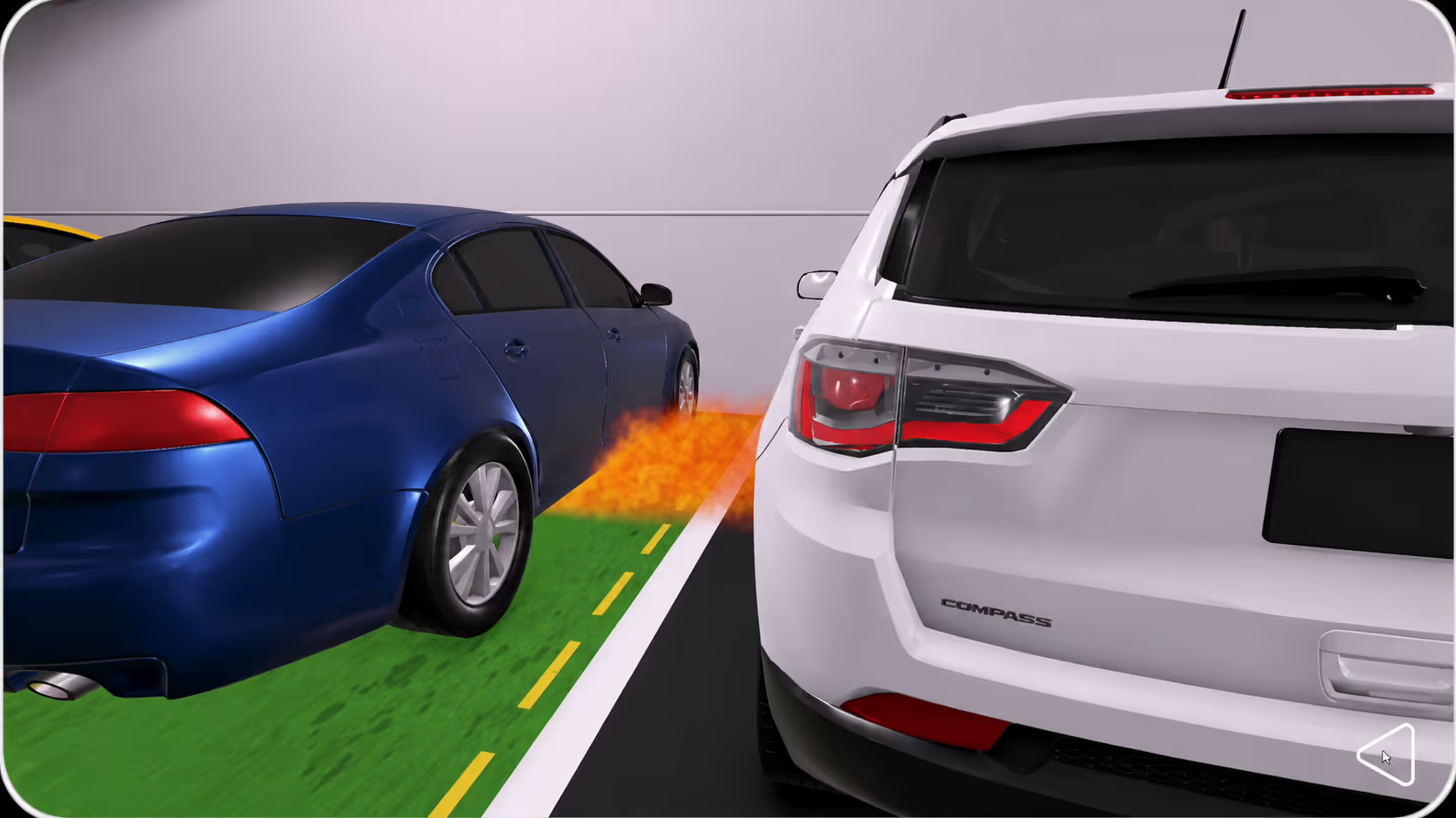
The user picks one of three environments — residential parking, shopping mall, or corporate basement — and is dropped into a fully rendered 3D version of it.
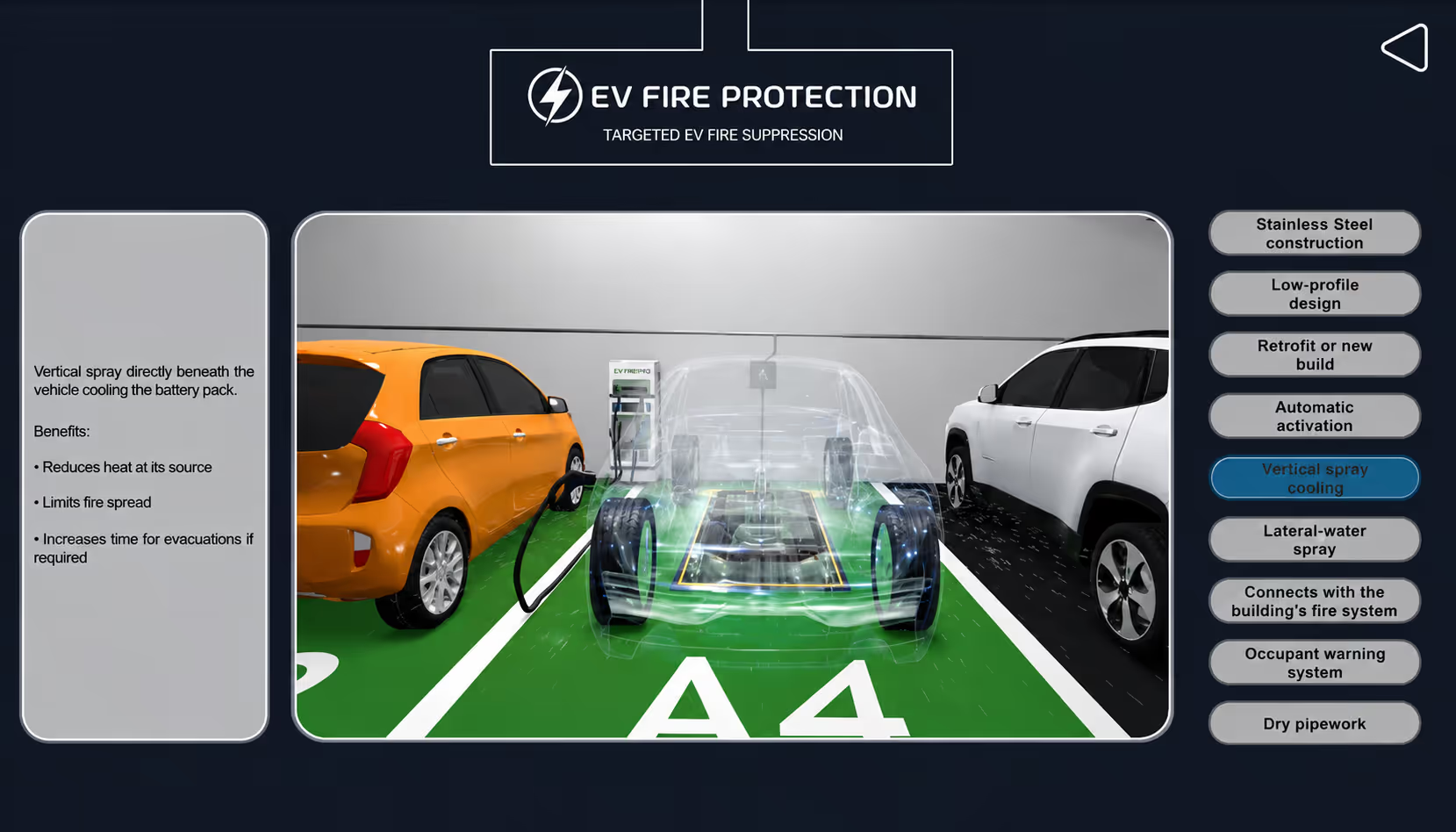
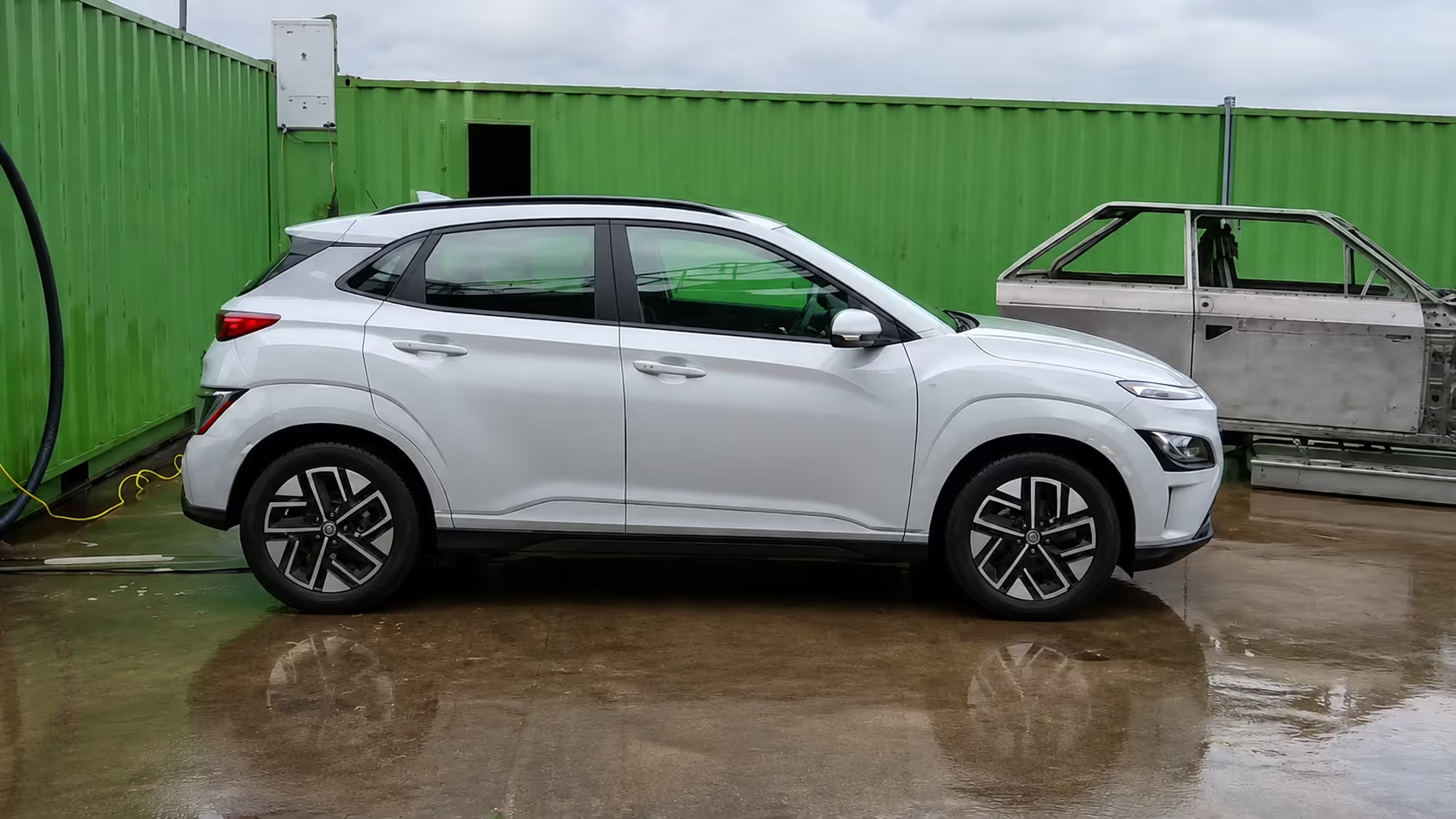
The suppression system appears at the centre of the scene. The user can rotate it through 360°, zoom in, and orbit the environment. A "Show Product Demo" cue triggers a lifelike 3D EV to glide into position directly over the suppression pad.
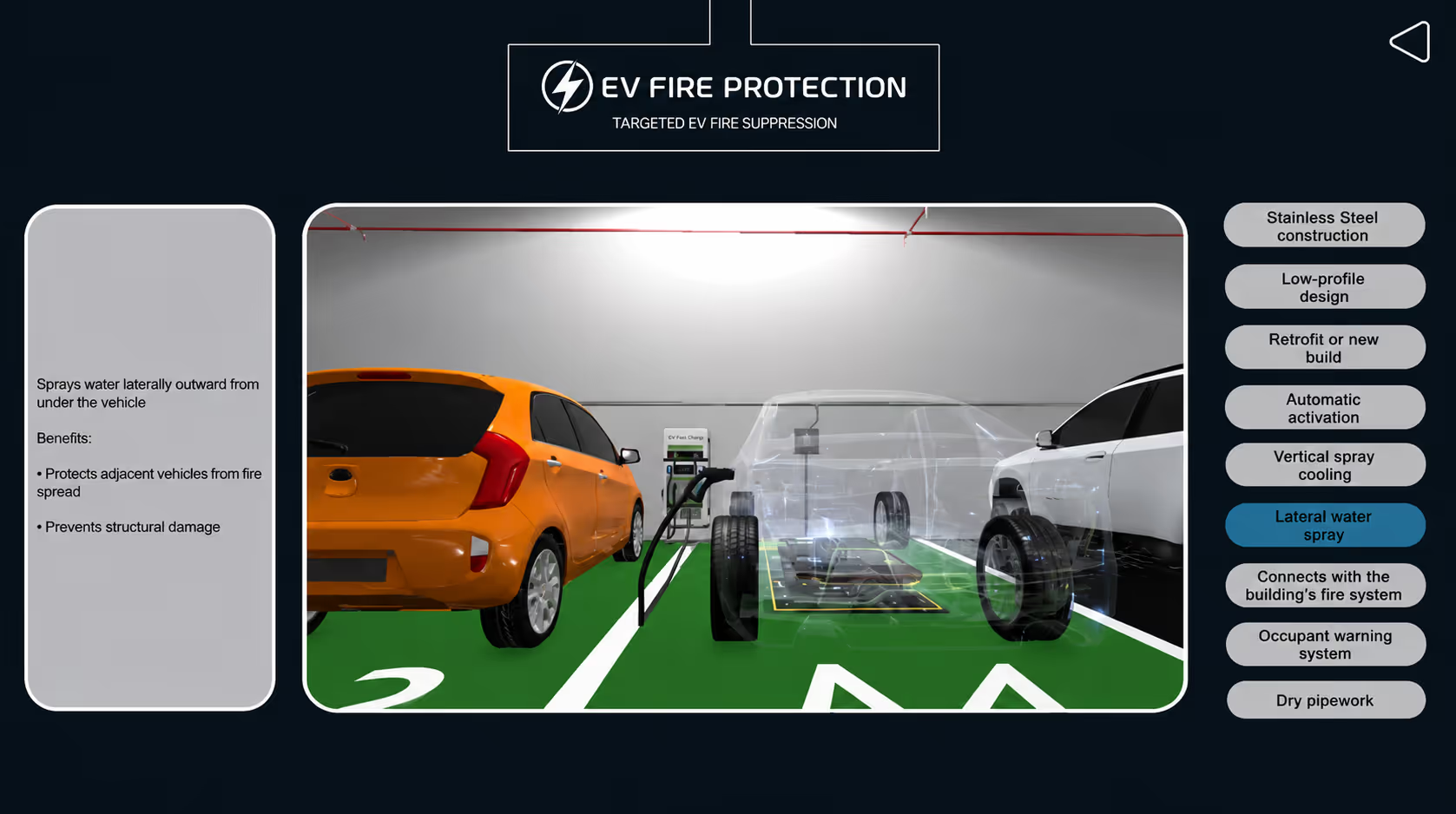
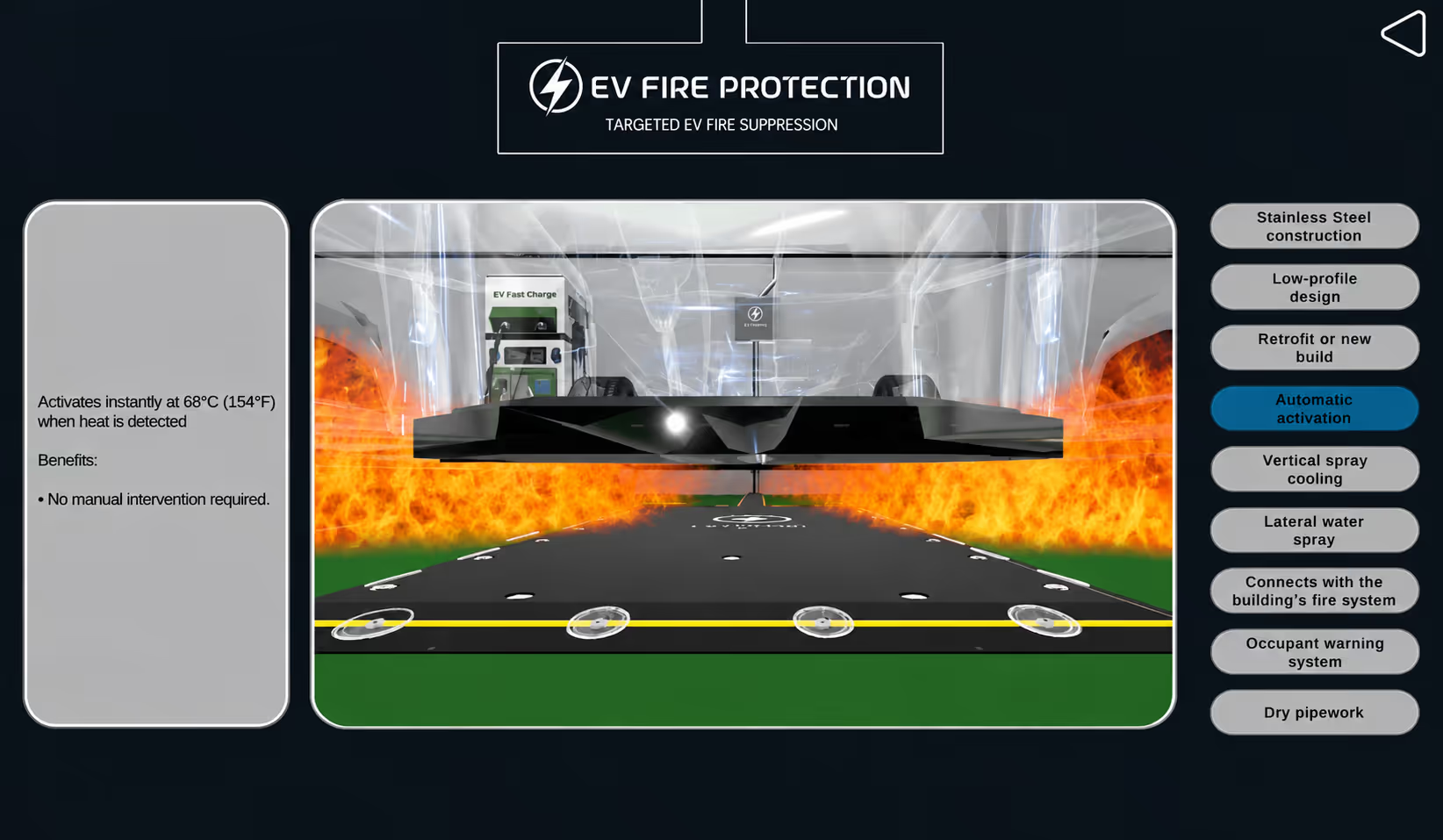
A realistic fire ignites beneath the vehicle, with accompanying smoke and sound. The user clicks "Suppress the Fire" — and watches the system's underbody nozzles and lateral sprays contain the blaze in seconds.
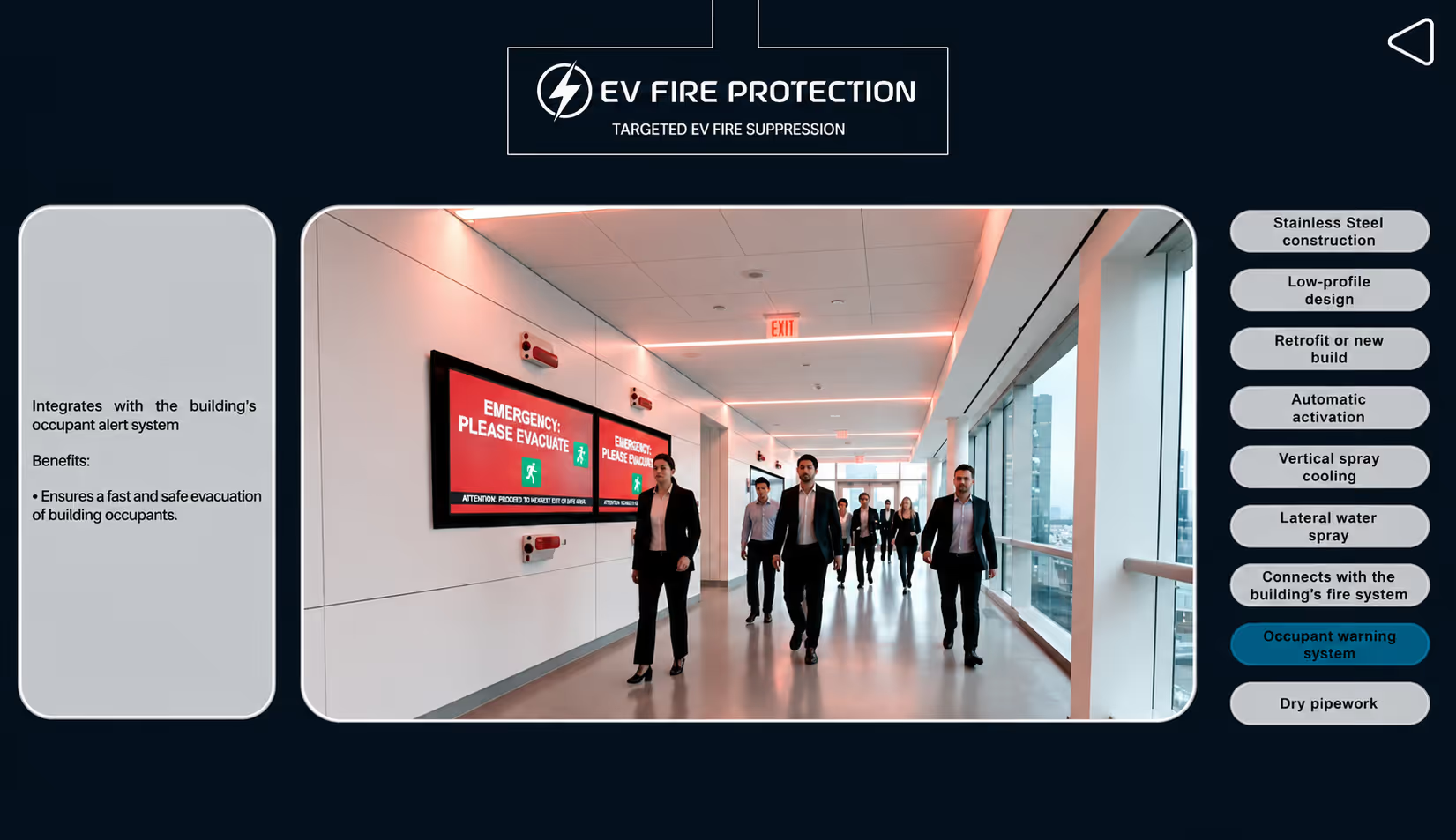
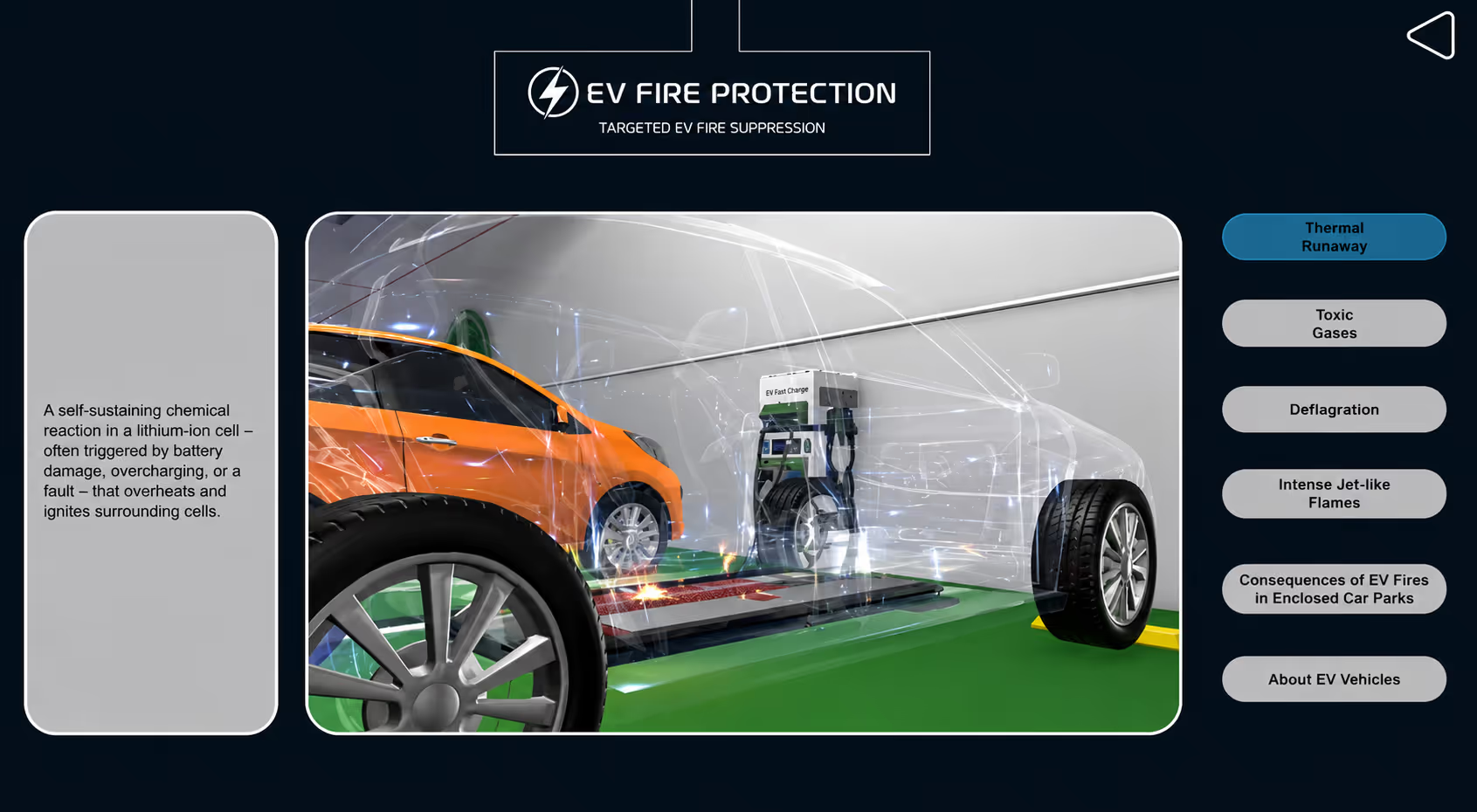
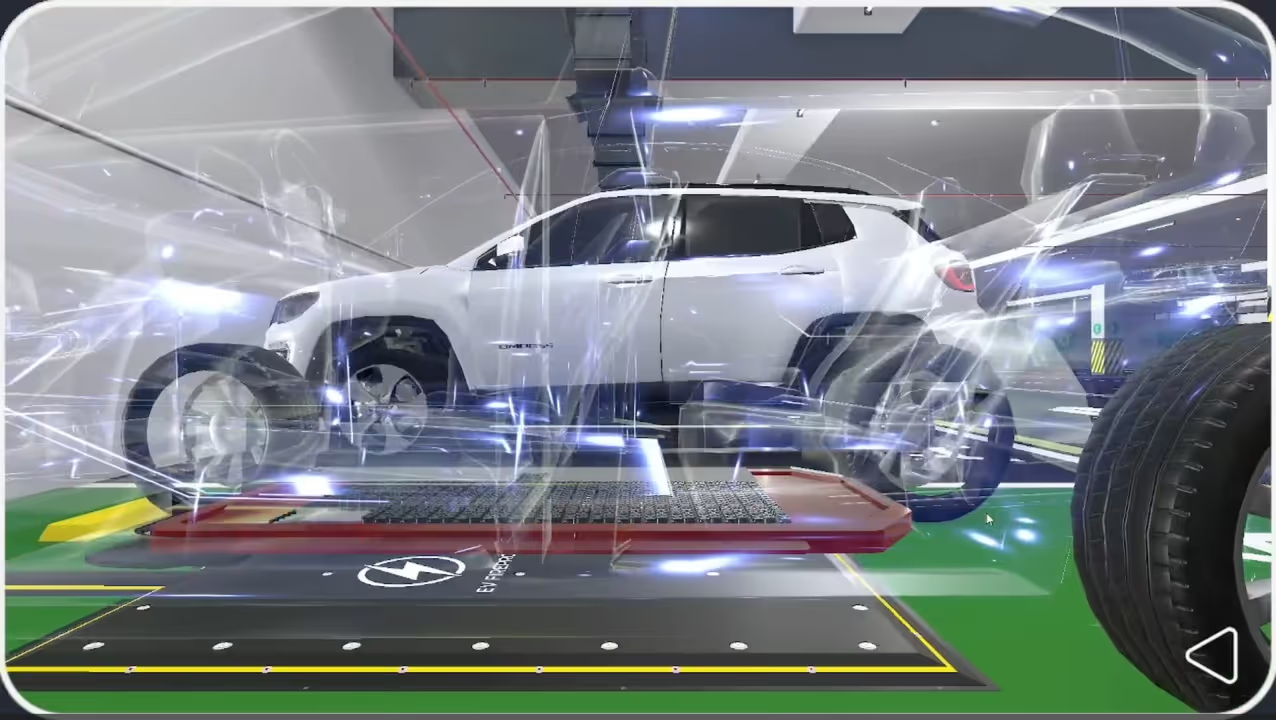
The vehicle becomes semi-transparent, revealing the suppression mechanism beneath. A narrated 30-second sequence explains the four core capabilities — early fire detection, automatic activation, targeted water-spray technology, lateral containment, and the integrated notification and alert system.
One interactive 3D product demo, working hard across the entire commercial funnel.
Looped on large screens to draw footfall and explain the product in seconds.
The full product demonstration, carried in a laptop or tablet.
Visualising compliance and safety value without needing live infrastructure.
Helping technical and commercial hires understand the system before they ever see one.
Embedded directly on the company site, converting passive visitors into informed enquiries.
Short, immersive cut-downs that travel far further than product photography.
The client now owns a single, evergreen 3D product demo asset that scales across every commercial context — without the cost, risk, or logistics of physical demos. Prospects engage on their own terms, in the parking environment they actually care about. Sales conversations shift from explanation to evaluation. And the company's marketing, training, and government-facing teams all draw from one consistent, technically accurate source of truth.