
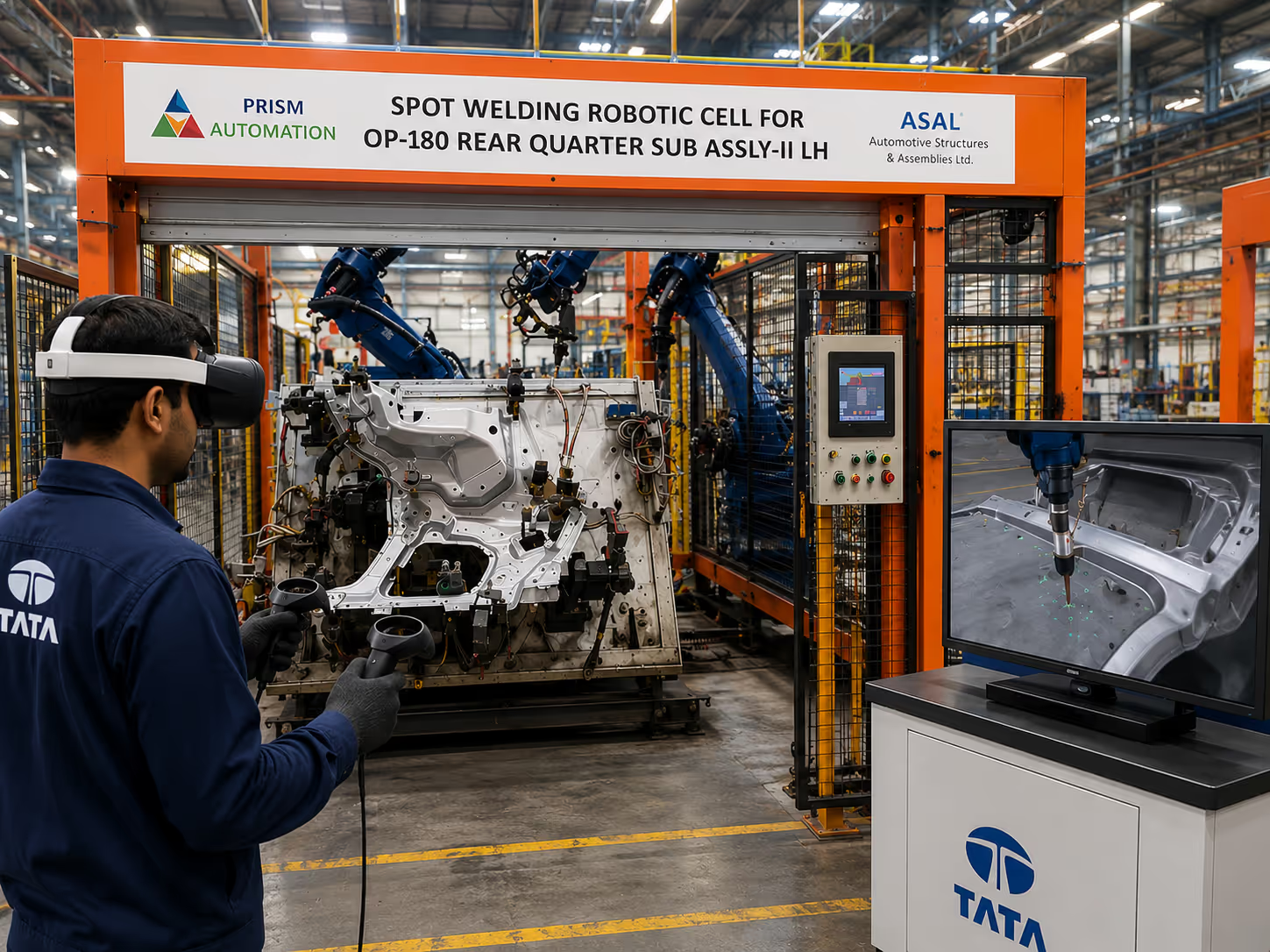
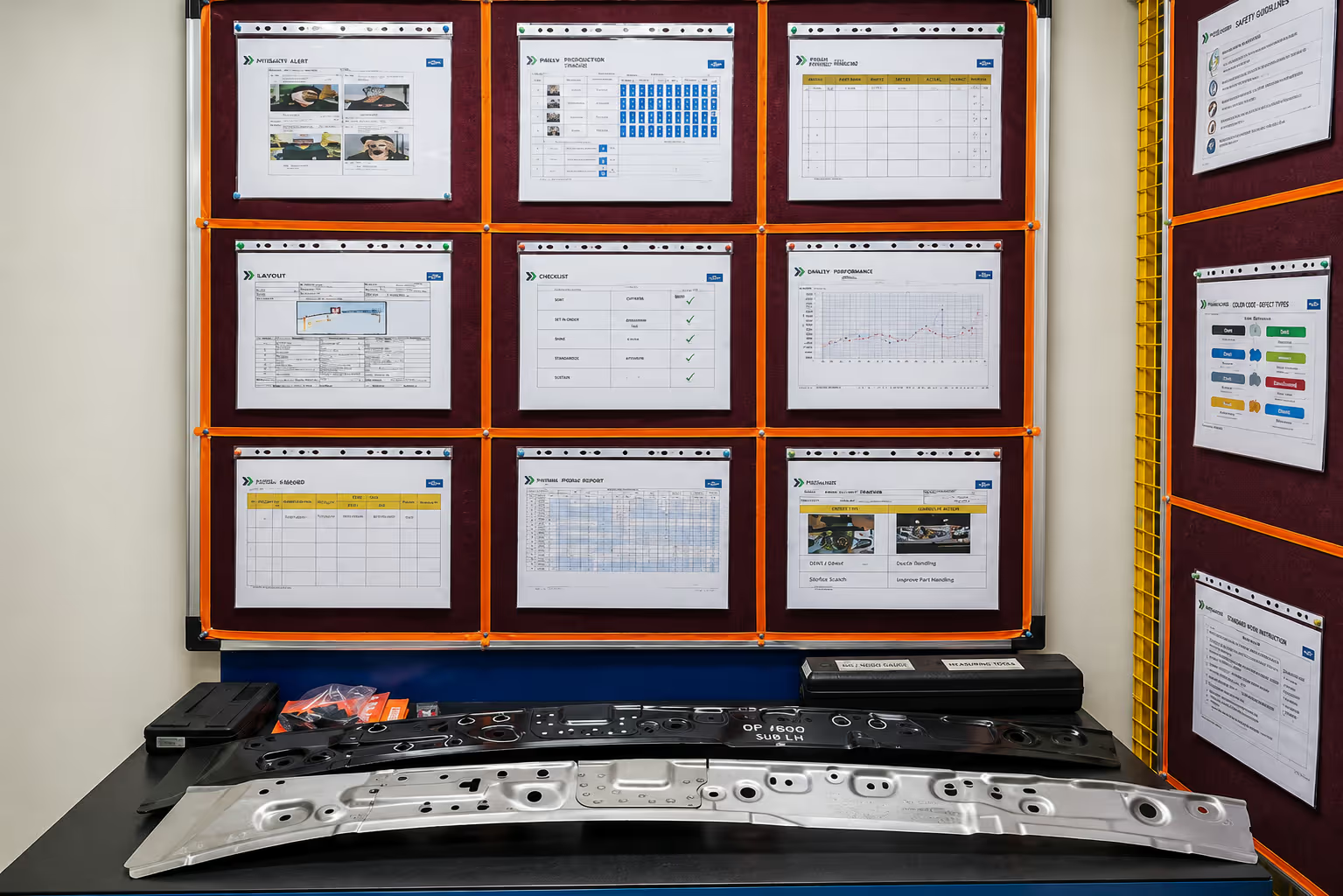
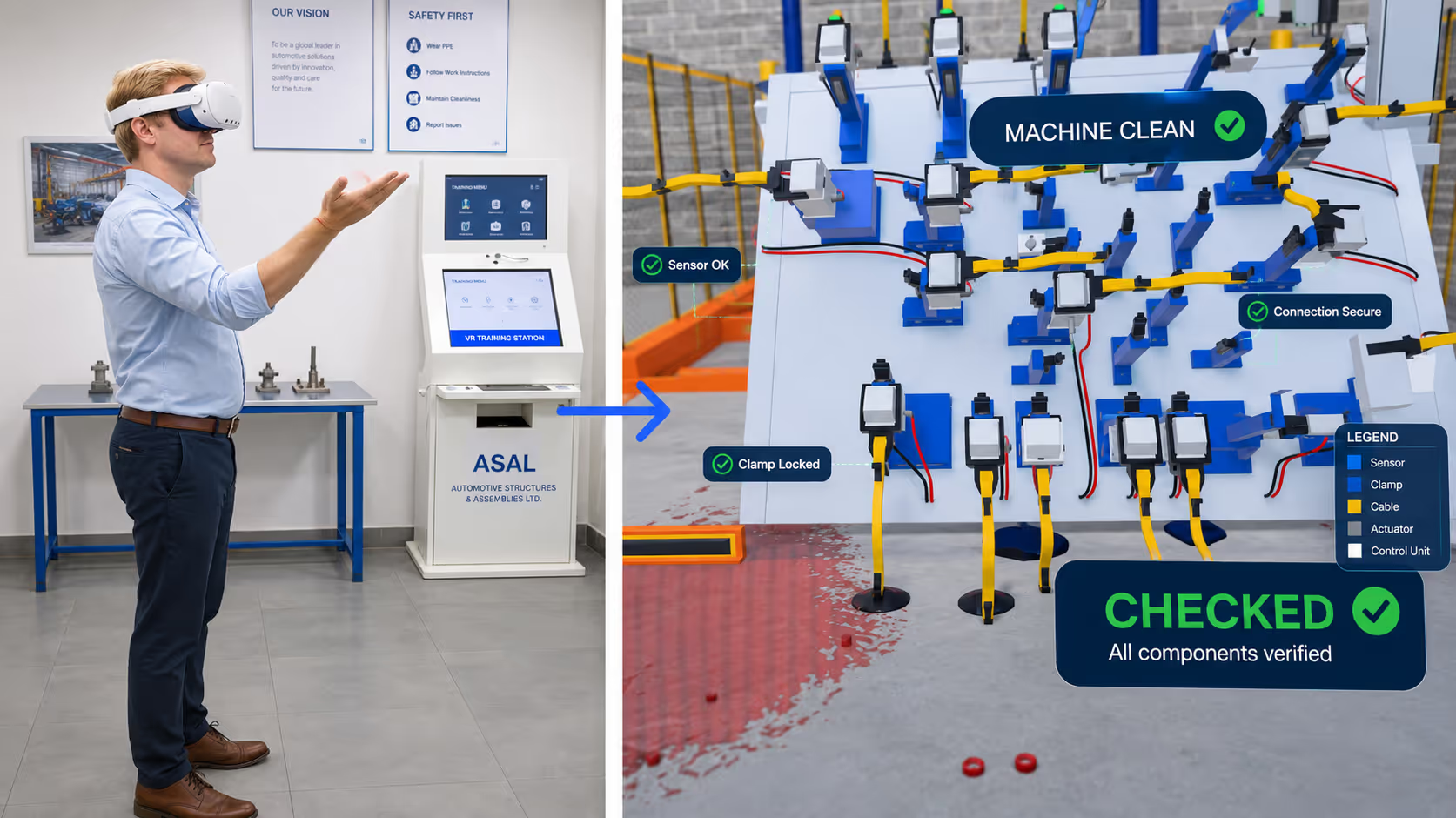
How Metaverse911 designed and deployed an immersive Virtual Reality training programme — running on Meta Quest 3 and scaled across six plants of a Tata Group Company in India.
Onboarding a sheet metal stamping or welding operator is high-stakes work. The machinery is heavy, cycle times are tight, and a single mishandled press or weld can mean component rework, missed JPH targets, or worse — an injury.
Yet for years, the early-stage operator training relied on the same toolkit every other manufacturer uses. The leadership team identified four persistent problems with classroom-led training:
The mandate: build a VR training programme that mirrors the shop floor, without the risk, the downtime or the inconsistency.
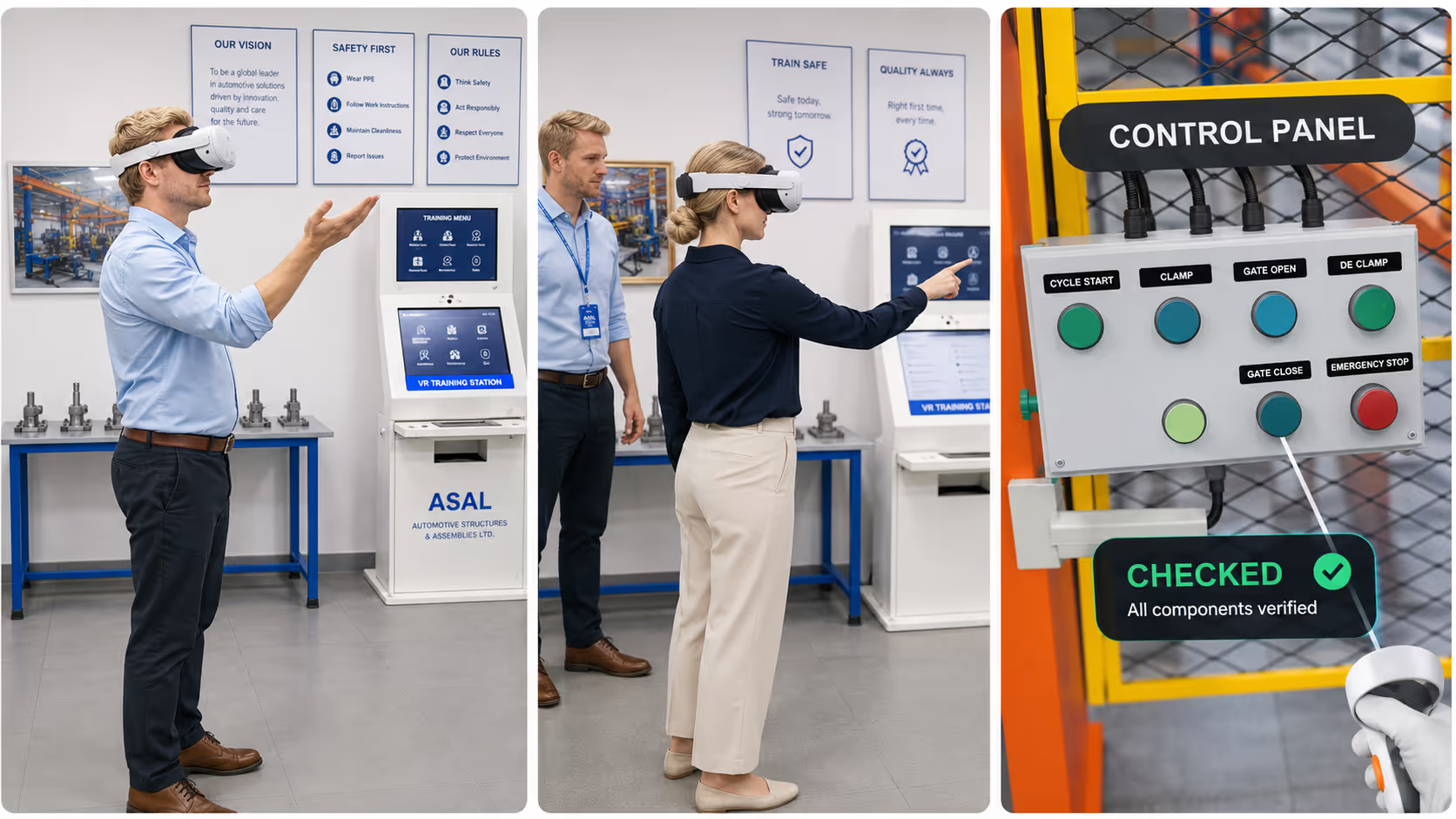
Metaverse911 designed and delivered an immersive Virtual Reality training programme that mirrors the shop floor 1:1 — same machines, same fixtures, same SOPs — deployed on Meta Quest 3 standalone headsets across multiple plants.
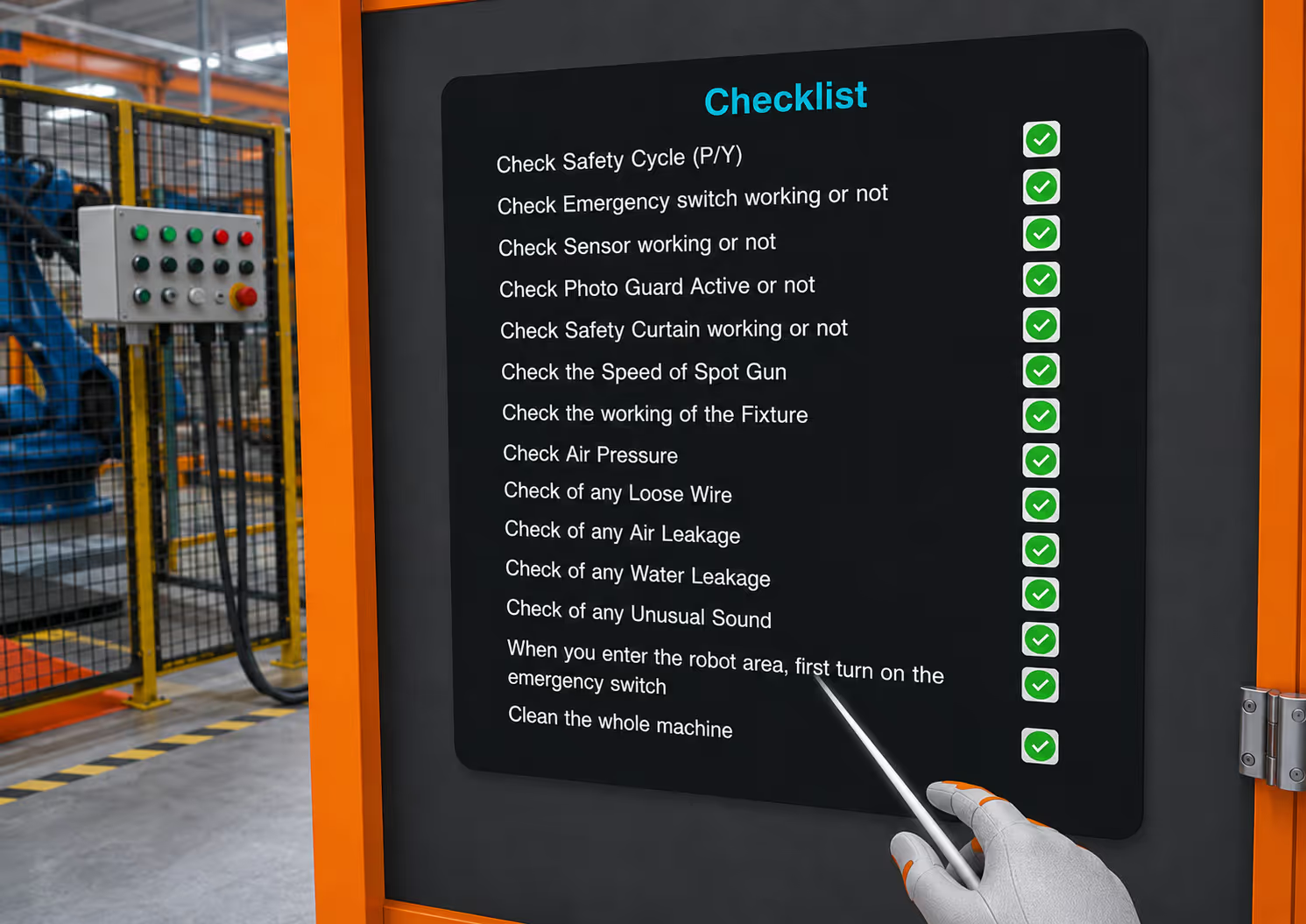
Our Approach
A six-step build process — from discovery on the plant floor to a deployable VR product on Meta Quest 3.
Alignment meetings with leadership, training owners, and safety reps to map expectations and scope.
Live observation of stamping cycles, operator shadowing, reference photo capture, and SOP validation.
Finalized SOPs, VR architecture, module flow, interaction logic, and assessment framework designed.
Stamping machines, fixtures, tools, and shop-floor environment modelled from scratch.
Realistic motion and physics built for every machine operation.
Integrated environment, interactions, and assessment system shipped to Meta Quest 3.
Training Experience
Not a passive 360° video — an instrumented VR environment with six distinct learning layers.
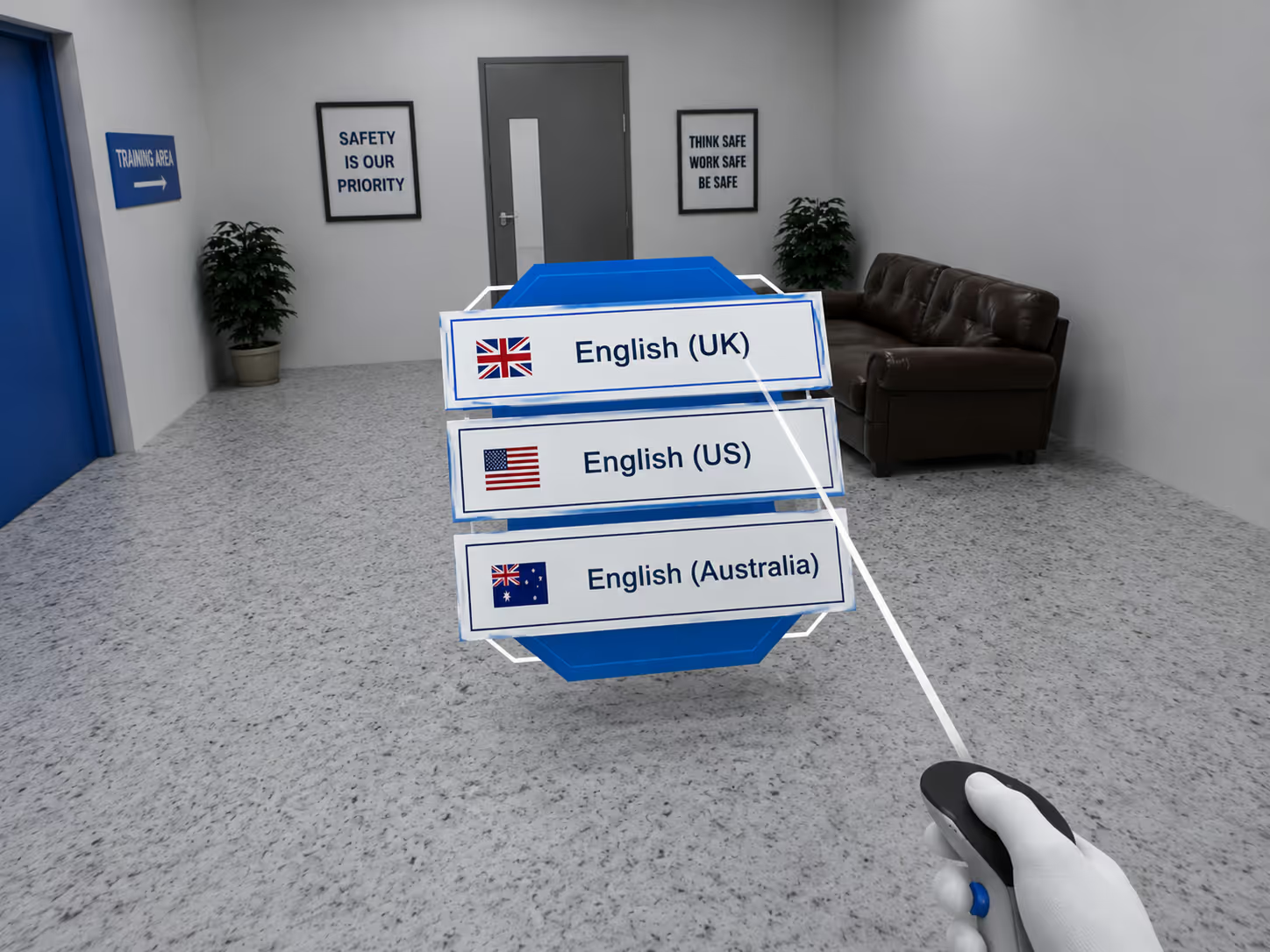
.avif)
.avif)
.avif)
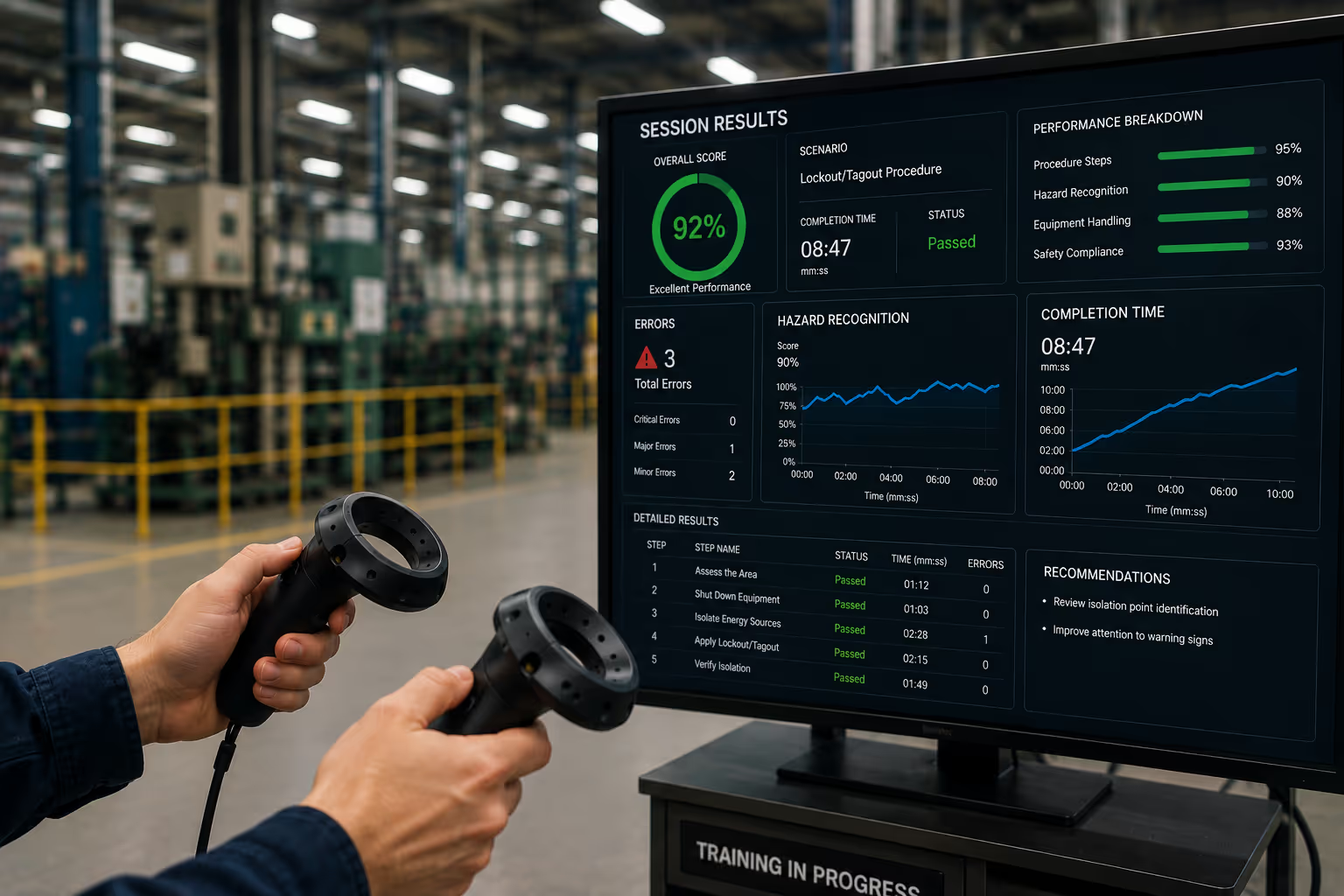
A web-based admin dashboard sits on top of every deployment: workforce tracking, batch analytics, scorecards, full user management.
Runs on Meta Quest 3 standalone headsets — 2,064 × 2,208 per-eye resolution, pancake lenses, 120 Hz, Snapdragon XR2 Gen 2. Standalone hardware was non-negotiable for plant-floor scalability.
Deployment is 100% offline, on a local plant server — typically a mini-PC or industrial edge server in the training room. Three modes:
.avif)
.avif)
Deployment Options
Pick the model that fits your IT footprint — fully offline at the plant, on your private cloud, or hosted on public cloud infrastructure.
Local server at each plant. Fully offline.
Hosted on the company's own cloud / data centre.
Hosted on AWS, Azure, or GCP.
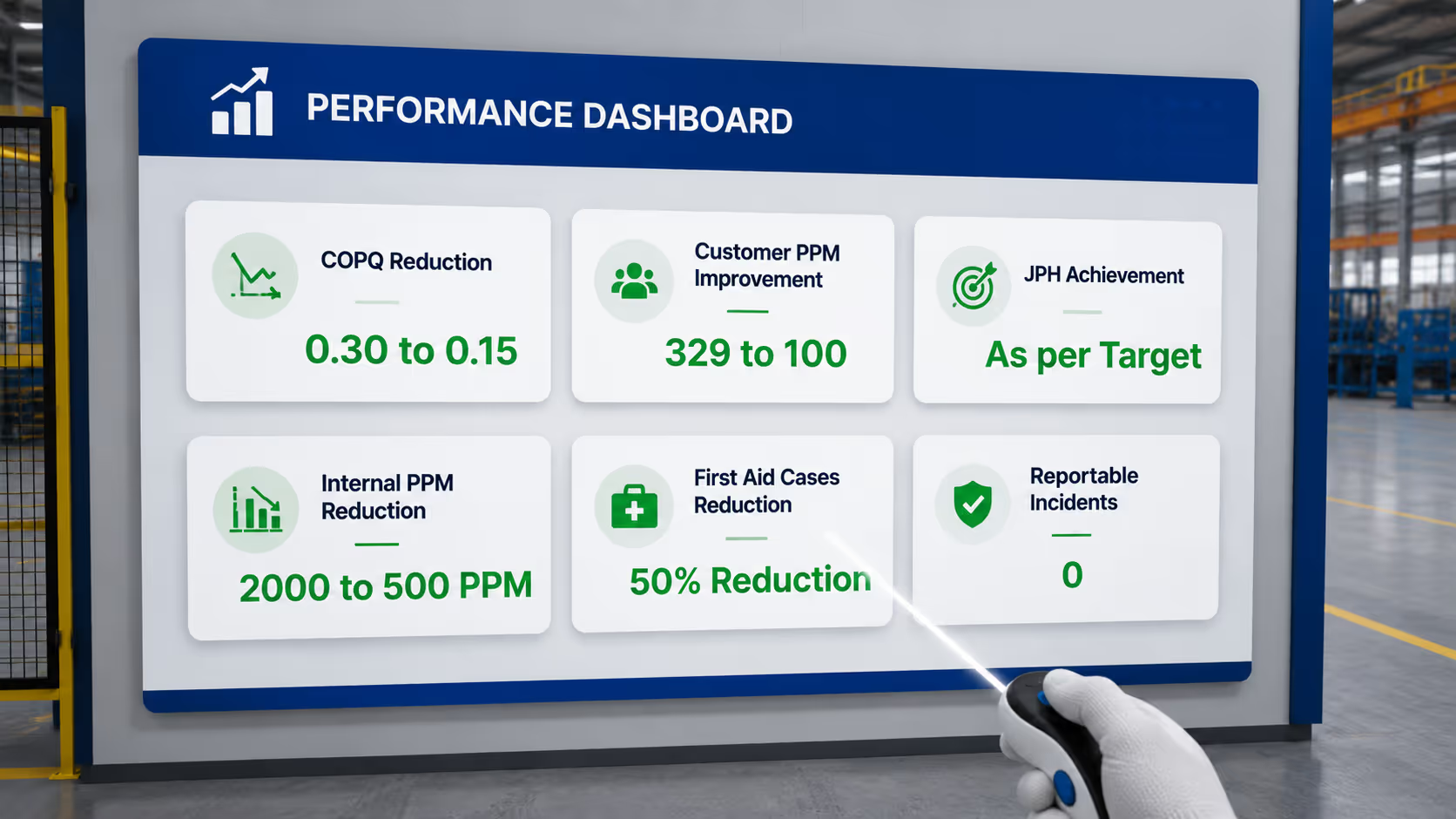
Customer PPM 329→100, Internal PPM 2,000→500, COPQ halved — these translate to supplier-rating gains, lower warranty liability, plant-floor measured.
Six operational metrics tracked across the rollout:
VR training economics reverse when a single curriculum replicates across plants without rebuild cost:
That's 9,000 to 13,500 trained operator-sessions every year — a marginal cost no classroom programme can match.
.avif)
A trainee can mishandle a stamping press a hundred times in VR without consequence — muscle memory transfers to the shop floor.
Every operator at every plant sees the same SOP, machine layout, hazard cues. No regional drift, no instructor variation.
Time, error count and sequence accuracy scored automatically. The supervisor stops guessing — the data says so.
Operators no longer need real machine time during onboarding. The press keeps running; the trainee learns in parallel.